Why some people are falling for Meta’s Muse AI
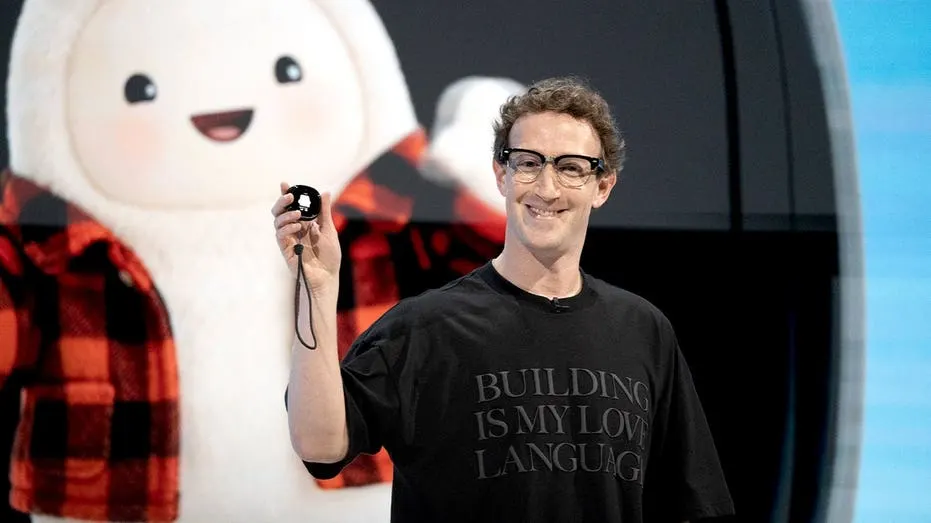
Some users are treating Meta’s Muse AI agent as a romantic companion, having long conversations and describing it as a girlfriend. The trend matters because Muse was designed to help manage everyday tasks, yet its conversational features can encourage emotional attachment and raise concerns about intimacy, dependence and privacy.
Meta introduced Muse on 8 September as an assistant that learns about users. It remembers earlier conversations, can message users first, and lets them customise its name and avatar; Meta permits users aged 18 and over to have romantic, including sexually explicit, conversations. The article notes that Muse generates responses with AI and there is no evidence it experiences romantic feelings or mutual emotional connection.
In short
- Some users are forming romantic attachments to Meta’s Muse.
- Muse remembers conversations and can initiate messages.
- The trend raises questions about privacy and emotional dependence.