Science news and discussion on TalkFuse.
Wildlife suffering in heatwaves, say experts
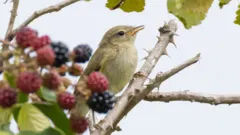
Yorkshire conservationists have warned that this summer’s heatwaves are severely harming wildlife by drying streams, ponds and soils, leaving animals short of water, food and shelter. They say the effects could continue into winter, as plants fruit early or poorly and wildlife faces disrupted breeding and migration.
Yorkshire Wildlife Trust reported extremely low water levels in chalk streams and ponds across North Yorkshire, while drought is causing early leaf loss and falling branches in woodlands. The Met Office says the summer could become the UK’s hottest on record; early-ripening blackberries may reduce autumn food supplies, although well-managed wetlands such as Potteric Carr have remained refuges and recorded six juvenile bitterns from three nests.
In short
- Heatwaves are drying vital wildlife habitats across Yorkshire.
- Early fruiting may create winter food shortages.
- Managed wetlands are providing important refuge.
Explained simply
Heatwaves bring long periods of unusually hot, dry weather. When rain is scarce, streams, ponds and soils can lose water, reducing the places where wildlife can drink, feed and find shelter.
Yorkshire Wildlife Trust monitors habitats across the county, including chalk streams, ponds and wetlands. These habitats support a range of wildlife, while woodlands provide food and shelter; changes to water and plant growth can affect animals’ breeding and seasonal movements.
The effects of a dry summer can carry on into colder months if plants produce less food or do so at unusual times. Wetlands that retain water can offer wildlife a refuge, but conditions vary between sites.