Politics news and discussion on TalkFuse.
Trump makes final rally push to boost Republicans before midterms
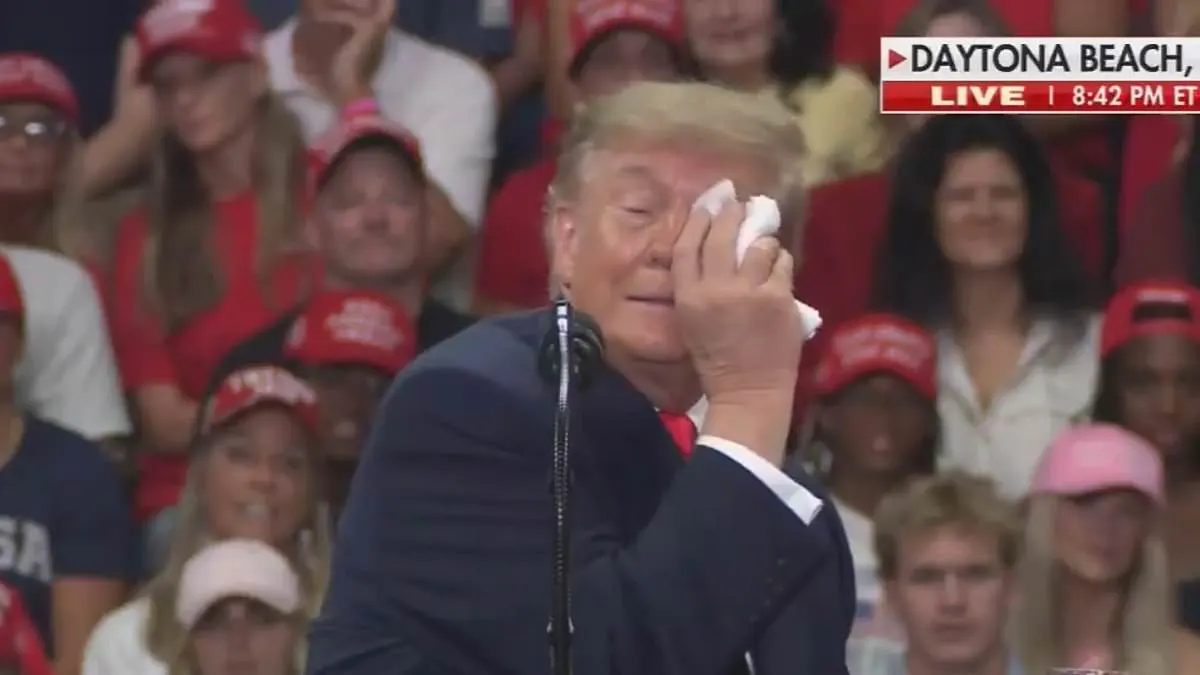
Donald Trump embarked on a final 72-hour rally blitz across several states to boost Republican candidates ahead of the midterm elections, despite polls pointing to Democratic gains. His approach reflects a belief that polling may miss a hidden Republican vote and a strategy of using rallies to mobilise supporters who might otherwise skip congressional elections.
Trump said he had held more than 25 rallies in October and described 28 days of campaigning as exhausting, at one point wiping his eye during a Florida speech. Republican strategists hoped rallies would bring low-propensity voters to the polls, particularly where early voting was under way. But the strategy carried risks: some South Carolina attendees were from neighbouring North Carolina and could not vote there, while one Republican voter said Trump’s remarks had pushed her towards the Democratic Senate candidate.
In short
- Trump held a final rally blitz to help Republican candidates.
- Strategists hoped rallies would mobilise voters who often skip midterms.
- The rallies could also alienate moderates and fail to reach eligible voters.
Steelman: both sides, in good faith
The strongest fair case each way — we don't pick a winner.
The case for
A final rally blitz could help Republicans by energising supporters who are less likely to vote in midterms, especially while early voting is under way. Trump’s belief that polls may miss some Republican support also gives strategists a reason to keep campaigning rather than treat forecast Democratic gains as settled.
The case against
The rallies may have limited effect if they attract people who cannot vote in the state or are already committed, and polling that points to Democratic gains raises doubts about the strategy’s likely reach. Trump’s remarks could also alienate some voters: one Republican attendee said they had moved her towards the Democratic Senate candidate.
Explained simply
Midterm elections take place halfway through a US president’s four-year term. Voters choose members of Congress, including all 435 seats in the House of Representatives and about a third of the Senate, as well as state and local officials. The results can affect how easily a president can pass laws.
Donald Trump is a Republican and was president from 2017 to 2021; he remained a major figure in the party after leaving office. Rallies are public campaign events where candidates and political figures speak to supporters, and parties may use them to encourage people to vote.
Republicans and Democrats are the two main US political parties. Polls estimate how people may vote, but turnout can shape the result, especially in close races; people who do not vote regularly can be harder for campaigns to reach.
Read the full article at the source →
Originally published by Daily Mail as “Wiping his tired eyes, Trump’s manic refusal to admit defeat: Inside his last-ditch attempt to stop midterm humiliation”.