Wisconsin Democrats’ governor primary is an all-out fight over electability
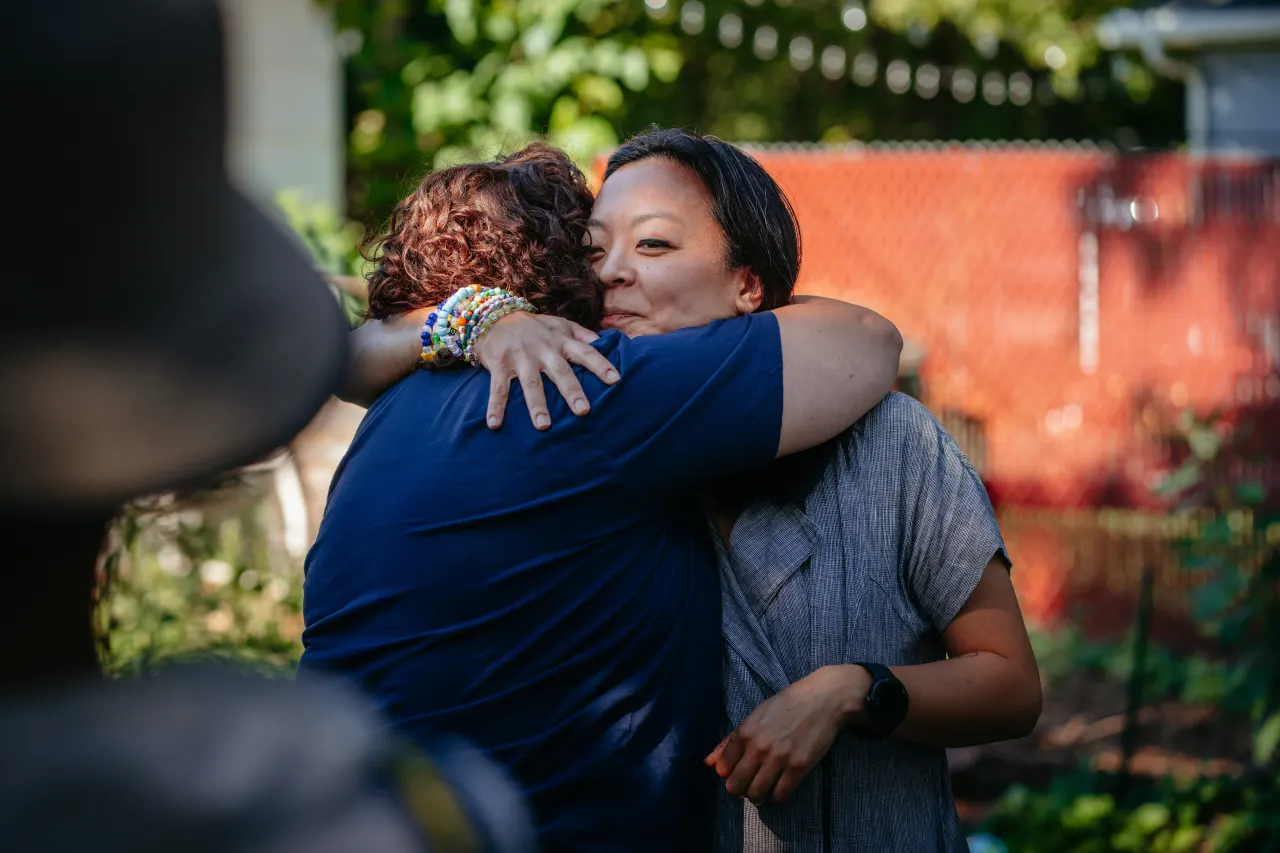
Wisconsin Democrats’ primary for governor has become a sharp argument over which candidate is best placed to win a closely divided swing state in November. Progressive state representative Francesca Hong has energised the party’s left, while Milwaukee County Executive David Crowley, backed by outgoing Governor Tony Evers, presents himself as the candidate able to build a broader coalition; the contest matters because it may signal Democrats’ appetite for a more left-wing nominee in a pivotal state.
Hong has led recent primary polling despite concerns among some Democrats about her past support for defunding or abolishing the police, while Crowley’s supporters stress his executive experience and appeal to moderate and independent voters. The winner of the 11 August primary is expected to face Republican Congressman Tom Tiffany in the November election, with Wisconsin’s recent statewide contests often decided by narrow margins.
Steelman: both sides, in good faith
The strongest fair case each way — we don't pick a winner.
The case for
Supporters of a more progressive standard-bearer like Francesca Hong argue that Democrats win when they offer voters a clear, energising alternative rather than a cautious, poll-tested middle ground; they point to her ability to mobilise younger and working-class voters who might otherwise stay home, and contend that authenticity and bold policy commitments build the kind of durable enthusiasm that ultimately outperforms narrow, small-target campaigning in a state Democrats need to hold. They also argue that voters respect conviction politicians who say what they mean, even on contested issues like policing reform, more than they respect candidates seen as managed or vague.
The case against
Supporters of a more centrist, executive-experience candidate like David Crowley argue that Wisconsin is won or lost in the political middle, and that a nominee seen as too far to the left risks alienating the moderate and independent voters who decide statewide races by the thin margins typical of recent Wisconsin contests. They point to his record running a large county government as evidence of competence and pragmatism, and argue that in a genuine swing state, the safer path to defeating a Republican opponent in November is a broad coalition built on demonstrated governing experience rather than a platform that can be readily attacked as extreme.
Explained simply
Wisconsin holds one of the closest political battlegrounds in the United States, and this year its governor's race has become a proxy fight over the future direction of the Democratic Party. With incumbent Governor Tony Evers stepping down, Democrats must choose a new candidate to hold the seat, and the choice has exposed a familiar tension between the party's progressive wing and those who prioritise broad electoral appeal.
The two leading contenders are Francesca Hong, a state representative popular with left-leaning Democrats, and David Crowley, the Milwaukee County Executive who has Evers's backing and is seen as the more centrist option. Their contest is being watched closely because Wisconsin is a state where statewide elections are frequently won by very small margins, meaning the choice of nominee could matter a great deal in November.
Beyond the immediate race, the primary is being read as a test of what kind of candidate Democrats believe can win in competitive, swing states more generally. Whoever wins will go on to face Republican Tom Tiffany, a sitting member of Congress, in the general election.
Celebrity Entertainment Europe Politics World