NASA approves $1.2bn PRIMA far-infrared telescope for 2033 launch
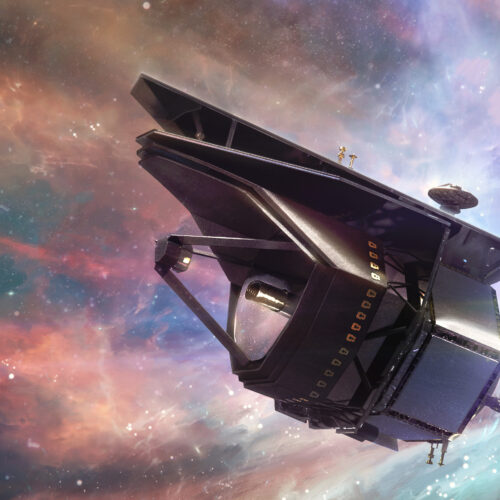
NASA has approved PRIMA, the Probe far-Infrared Mission for Astrophysics, as the first mission in a new class of observatories designed to balance scientific capability with cost-effectiveness. This represents a middle ground between NASA's cheaper Explorer-class missions and multibillion-dollar flagship observatories, addressing budgetary pressures whilst enabling significant scientific discoveries.
PRIMA has a $1.2 billion budget cap (excluding launch costs) and is scheduled for launch in 2033—approximately seven years away. The 1.8-metre telescope will observe far-infrared wavelengths between 24 and 235 micrometres from the Sun-Earth L2 Lagrange point, a million miles from Earth. It will use spare cryogenic equipment from the James Webb Space Telescope and will feature some of the coldest optics ever sent to space, operating at 100 milliKelvin, enabling observations of planetary origins, galaxy-black hole evolution, and cosmic dust.
- NASA approves PRIMA, a mid-cost space telescope launching in 2033
- $1.2 billion budget balances Explorer and flagship mission approaches
- Extreme far-infrared sensitivity using recycled James Webb cooling equipment
Read the full article at the source →
Originally published by Ars Technica as “With PRIMA, NASA will try to build a billion-dollar space telescope in record time”.