WSL sets 2029-30 target for full-time referees after funding boost
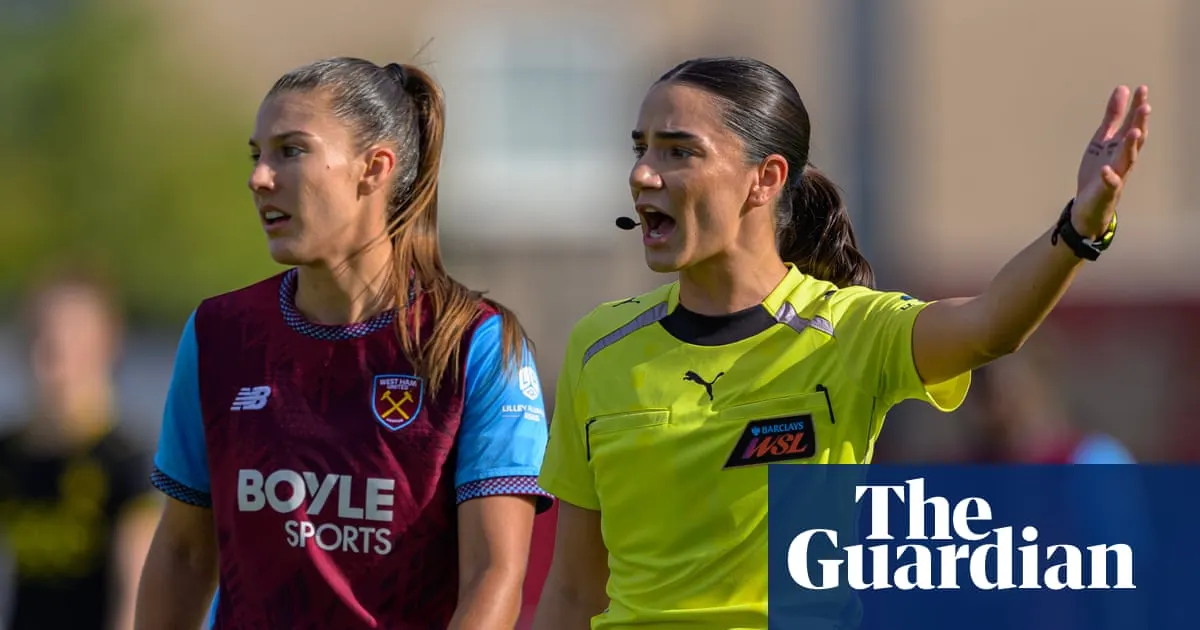
The Women's Super League has agreed a significant funding boost for match officials but will not have fully professional referees until the 2029-30 season, the Guardian has learned. The investment focuses on improving officials' education, analysis and physical performance, though some WSL clubs had hoped for an earlier transition to full-time appointments.
This represents the first agreed timeline for full-time WSL referees, though the three-year wait has divided opinion among clubs. Many current WSL officials work other full-time or part-time jobs, whereas men's referees have been full-time professionals since 2001. The decision followed extensive discussions between WSL Football, the Football Association and Pro Ref, the governing body responsible for English professional match officials. The WSL has appointed its first representative to the Pro Ref board this season, strengthening its voice in decision-making alongside Premier League and EFL representatives.
- WSL referees won't be full-time until 2029, despite funding increase agreed this month.
- Current officials hold other jobs; men's referees became full-time in 2001.
- Timeline divides opinion among clubs over whether three-year wait is acceptable.
New here? Start with this
The Women's Super League (WSL) is England's top professional football division. Match officials, known as referees, are responsible for running these matches and enforcing the game's rules.
Many WSL referees currently work other jobs alongside their refereeing duties, unlike referees in the men's Premier League who have been employed as full-time professionals since 2001. This difference in employment status has become a point of discussion within English football.
Decisions about WSL referees involve multiple organisations including the Football Association and Pro Ref, the body responsible for managing professional match officials across England. The availability of dedicated funding for referees' training, development and physical preparation is significant because it affects the overall quality and professionalism of women's football.
Both sides, in good faith
The strongest fair case each way — we don't pick a winner.
The case for
The three-year timeline reflects the practical complexity of implementing full-time professionalism across a growing league. Building proper infrastructure, training programmes, and career pathways requires careful planning, and rushing the transition could undermine quality. The funding boost itself is substantial progress, and the interim investment in officials' education and analysis improves match standards immediately. Securing agreement from all stakeholders—clubs, FA, and Pro Ref—took time, but this represents the first concrete commitment in the league's history, moving from aspiration to deliverable reality.
The case against
The 2029-30 target maintains a troubling disparity with men's referees, who became fully professional 25 years ago. With funding now secured and proven operational models existing in the men's game, there is little justification for a three-year delay that perpetuates unequal professional status. The extended timeline risks losing talented female referees who might otherwise progress, and it sends a message to the wider sport that women's football deserves only gradual investment. An earlier transition would better align with women's football's rapidly professionalising playing standards.
Read the full article at the source →
Originally published by The Guardian as “Women’s Super League faces wait until 2029 for full-time referees despite funding boost”.