Entertainment news and discussion on TalkFuse.
Xbox 360 emulator found in recent Xbox Backward Compatability titles on PC
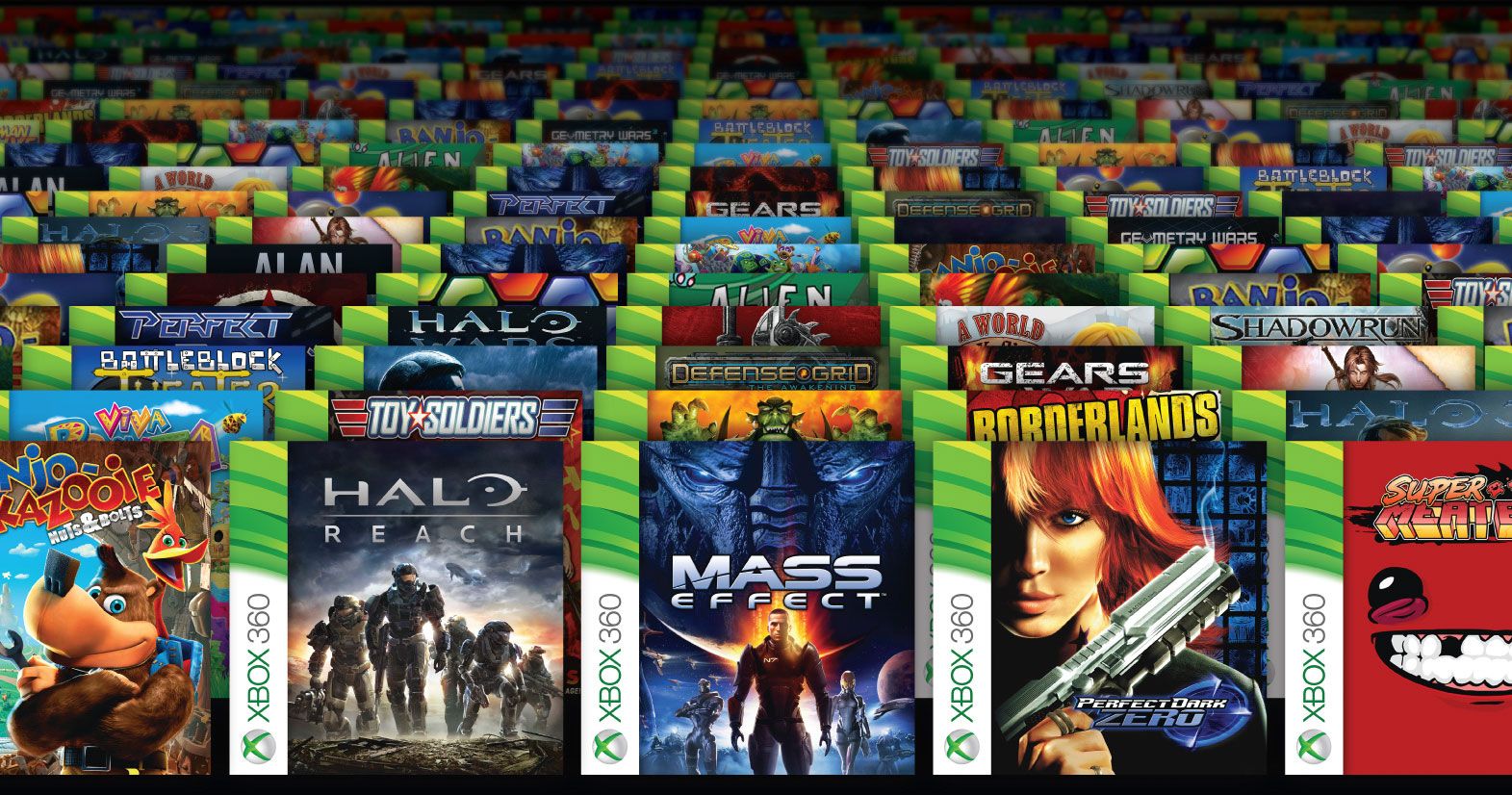
Dataminers examining newly released original Xbox games on PC say they found files linked to Microsoft’s Xbox 360 backward-compatibility emulator. This suggests that much of the technology needed to run Xbox 360 games on PC may already exist, though Microsoft has not announced any plans or timetable for releasing such titles.
Microsoft has added Blinx, Fuzion Frenzy, Crimson Skies: High Road to Revenge and Conker: Live & Reloaded to PC at $9.99 each, with graphical options including up to 4K resolution scaling. Previous digital owners can access the games without paying again, while Microsoft has promised further games and features; the news comes amid criticism of platform holders’ preservation policies and Xbox job cuts.
In short
- Dataminers found Xbox 360 emulator-related files in new PC releases.
- Xbox 360 games on PC appear technically feasible.
- Microsoft has not announced when or whether they will arrive.
Explained simply
Backward compatibility is the ability to play games made for older gaming consoles on newer systems. Microsoft has historically released titles from its retired consoles—particularly the original Xbox and Xbox 360—on modern platforms like PC. This approach helps preserve these games for future generations, preventing them from becoming inaccessible when original hardware reaches the end of its life.
Game preservation has become increasingly important as digital storefronts can remove older titles and original hardware eventually stops functioning. Emulation is the main technology that enables older games to run on contemporary systems; it works by having software mimic how the old gaming hardware operated. This process requires substantial engineering work and involves complex questions about licensing and compatibility rights.
Microsoft's track record with backward compatibility has varied across different gaming eras. Technical discoveries about how companies approach emulation are regularly analysed by enthusiasts and developers tracking the industry's preservation efforts. Such findings generate interest among those who follow these issues, though companies typically do not announce major technical initiatives until they are ready for broader release.