Technology news and discussion on TalkFuse.
Cisco launches 100G rack switch as server consolidation boosts traffic
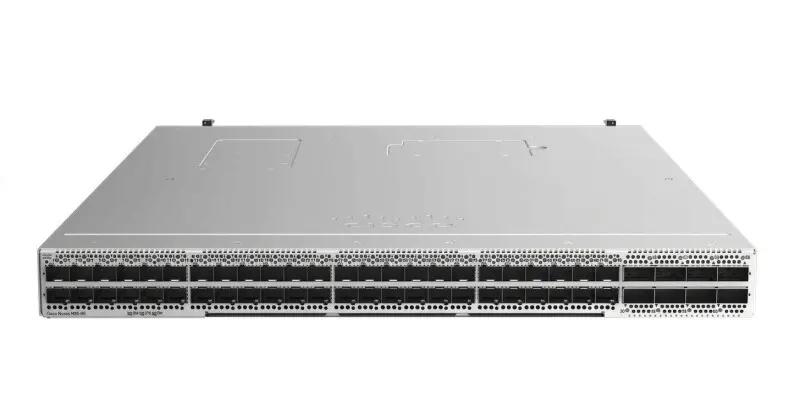
Cisco has introduced a 100G top-of-rack switch as server consolidation puts more computing power, and more network traffic, into each rack. The move matters because organisations replacing older servers with newer processors can reduce their machine count and power use while increasing the volume of data their networks must carry.
The 1U N9348C8D-H2 has 48 100G SFP-DD ports and eight 400G uplinks. Cisco says consolidation from third- or fourth-generation Intel Xeon or AMD Epyc servers to current models can reach a 6:1 ratio, and that the extra capacity may support future growth, including AI agents. The company also argues that networks will need more automation to manage rising traffic and routine tasks.
In short
- Cisco’s new top-of-rack switch offers 48 100G ports.
- Server consolidation can raise rack traffic despite reducing server numbers.
- Cisco expects AI agents to increase network demand and automation needs.
Steelman: both sides, in good faith
The strongest fair case each way — we don't pick a winner.
The case for
A higher-capacity top-of-rack switch could help organisations handle the extra traffic created when server consolidation puts more computing into fewer machines. Its 400G uplinks and additional headroom may also make networks easier to expand for future workloads, while automation could help operators manage growing complexity.
The case against
Organisations may question whether the added capacity is needed now, particularly if their workloads and traffic do not justify upgrading existing switches. Claims about consolidation ratios and future AI-related demand are vendor projections, so buyers may prefer to assess actual needs and costs before investing in new hardware and network automation.
Read the full article at the source →
Originally published by The Register as “Ye olde server consolidation has made Cisco push top-of-rack switching to 100G”.