You’d never guess the crazy things cash welfare paid for. Nebraska is shutting that down
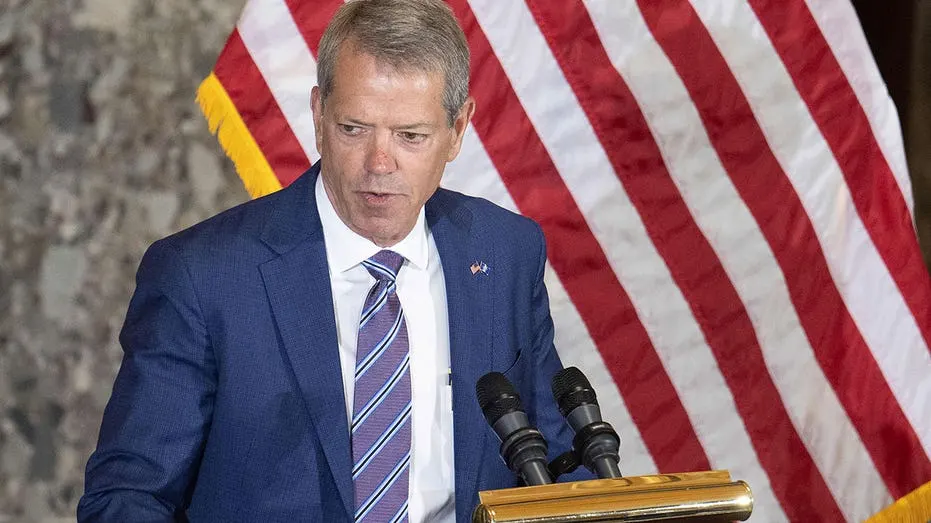
Nebraska has introduced restrictions on how recipients of cash welfare can spend their government assistance, prohibiting purchases of alcohol, cigarettes, pornography, tattoos and luxury services. Governor Jim Pillen's directive, announced on 9 October, targets what state officials describe as a loophole in the federal Temporary Assistance for Needy Families (TANF) programme that has permitted such spending for approximately 30 years. The action follows similar steps taken by Florida in August and reflects guidance from the Trump administration encouraging states to implement stricter controls on welfare spending.
The loophole has persisted because federal rules ban cash welfare spending at specific venues such as liquor stores and casinos, but do not restrict purchases at other retailers—allowing recipients to buy alcohol at supermarkets or other items at general shops. Nebraska's restrictions will apply to a wide range of non-essential purchases including concert tickets, streaming subscriptions and spa treatments. Whilst states cannot alter federal TANF requirements directly, they can request federal approval for stricter state-level restrictions, a process both Nebraska and Florida have now pursued with Trump administration backing.
- Nebraska restricts welfare cash spending on alcohol, cigarettes and luxury items
- A 30-year loophole has allowed such purchases despite programme's stated goals
- Trump administration supports states implementing tighter welfare spending rules
New here? Start with this
The Temporary Assistance for Needy Families programme is a federal scheme that provides cash welfare to low-income families. Federal rules governing the scheme have long prohibited spending at certain venues—such as liquor stores and casinos—but have not restricted purchases at other retailers like supermarkets and general shops.
This means welfare recipients can currently use their government cash to purchase alcohol, cigarettes, pornography and other goods at ordinary retailers, a situation that has existed for around three decades. The gap between venue-specific bans and retail restrictions has created what policy makers describe as an unintended loophole.
Several US states are seeking federal approval to impose stricter controls on how welfare recipients can use their assistance, moving to ban spending on alcohol, cigarettes, pornography, tattoos and luxury services. These efforts reflect a broader policy direction towards tighter regulation of welfare spending.
Both sides, in good faith
The strongest fair case each way — we don't pick a winner.
The case for
Proponents of the restrictions argue that welfare funded by taxpayers should appropriately target essentials—food, shelter and utilities—that directly address poverty, with government having a legitimate duty to demonstrate accountability in public spending. The identification of a 30-year loophole enabling discretionary purchases suggests the original programme design was never intended to permit such spending, and closing this gap protects public trust in the welfare system.
The case against
Opponents contend that recipients are poor and vulnerable people already subject to rigorous scrutiny, deserving autonomy and dignity in managing limited resources; policing purchases is administratively intrusive and costly relative to the negligible sums typically involved. The fundamental problem is inadequate benefit levels themselves, and such restrictions represent paternalistic micromanagement that diverts from addressing root causes of poverty.