Myanmar’s junta uses abductions and extortion to fill military ranks
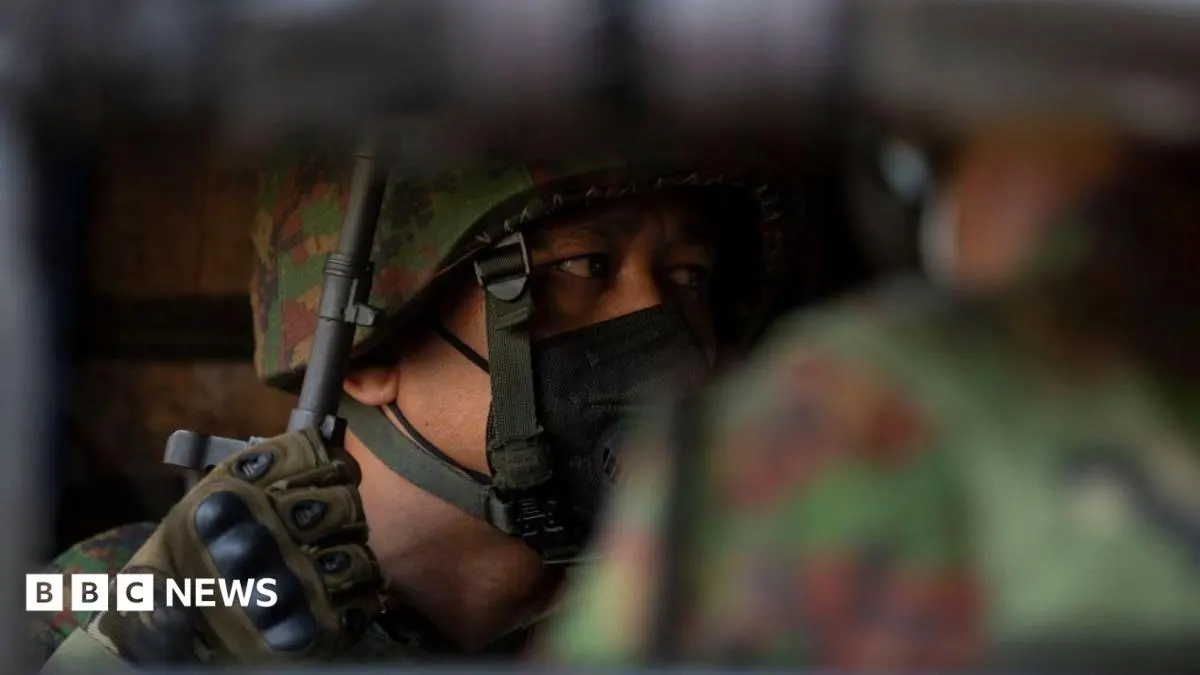
Young men in Myanmar are living in fear of being forcibly conscripted into the military, with authorities using aggressive tactics including abduction and extortion to meet recruitment quotas. The junta ordered authorities to aggressively fulfil military recruitment quotas as it fights against ethnic militias, pro-democracy groups and civilian-led resistance movements in a civil war since the 2021 coup. The crisis intensified when a mandatory conscription law was enacted in 2024, requiring all men aged 18-35 to serve at least two years in the military, with refusal risking up to five years in prison.
Approximately 100,000 young recruits have been conscripted since early 2024, many through coercion, extortion and abductions. The military tracks young people's movements to arrest them, extorts money through detention threats, and conducts guest-list inspections to identify those eligible for conscription. In cities such as Hpa-An in southern Karen state, young people are instructed to stay indoors after dark, and many have fled to Thailand or relatives' homes to avoid forced enlistment.
- Myanmar's junta is forcibly conscripting young men to bolster its military amid civil conflict
- Around 100,000 have been conscripted since early 2024 using coercion, extortion and abductions
- Those refusing face up to five years in prison, prompting many to flee
New here? Start with this
Myanmar has been in a state of conflict since a military coup in 2021 overthrew the elected government. The military junta has since faced an armed civil war, fighting against ethnic militias, pro-democracy groups, and civilians who oppose its rule. To strengthen its military forces, the regime has turned to aggressive recruitment tactics.
In 2024, Myanmar introduced a mandatory military service law requiring all men aged 18 to 35 to serve at least two years in the armed forces. The junta has been using coercive methods to meet its conscription targets, including tracking young people's movements, abducting them, and threatening families with detention unless they pay extortion money. Around 100,000 young men have been conscripted since early 2024 through these aggressive means.
The campaign has created widespread fear among Myanmar's young population. Many have fled to Thailand or stayed with relatives to avoid forced enlistment, while in some cities young people are effectively confined indoors after dark to prevent arrests. The crisis shows how the military is prioritising recruitment over civilian freedoms as it battles multiple armed groups across the country.
Both sides, in good faith
The strongest fair case each way — we don't pick a winner.
The case for
Myanmar faces an active civil war against multiple armed insurgencies and requires rapid military mobilisation to maintain territorial control and state stability. Mandatory conscription is a lawfully-enacted and widely-recognised wartime practice, and enforcement of conscription obligations falls within the legitimate powers of a state during national emergency. In extraordinary circumstances of genuine existential threat, such enforcement represents legally-mandated military service necessary to meet the scale of the security challenge.
The case against
Forced abductions and extortion tactics constitute serious human rights violations breaching international humanitarian law, regardless of military circumstances. The junta's authority is fundamentally undermined by its 2021 coup, delegitimising any claim to compel military service from citizens. Coercive recruitment methods generate resentment and resistance, undermining military effectiveness, whilst less rights-violating alternatives remain available and would prove both more ethical and more strategically effective.
Read the full article at the source →
Originally published by BBC World as “Young men live in fear of being snatched off the streets and sold to Myanmar’s army”.