World news and discussion on TalkFuse.
Young people across Europe stage coordinated ‘fight for our future’ protests
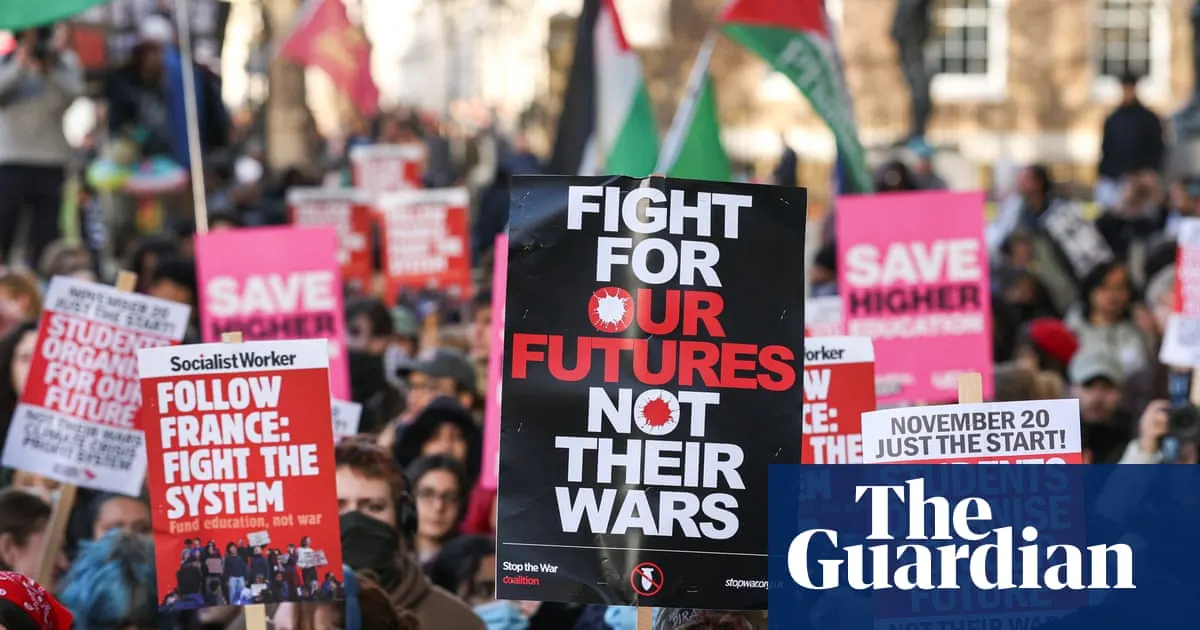
Students and young workers staged coordinated protests across more than 20 European countries, calling for action on living costs, housing, education and welfare, climate justice and rising military spending. The demonstrations reflect growing discontent among young people over government priorities and demands for a more affordable and secure future.
The Youth Strike coalition said rallies were planned in about 400 cities, involving more than 50 groups, under the slogan “fight for our future, not their wars”. Organisers set out five broad demands, including an end to militarisation and conscription, greater investment in education and welfare, and solidarity with Palestine. In Germany, about 1,000 students protested in Berlin over possible compulsory military service; in Italy, tens of thousands joined demonstrations alongside a general strike.
In short
- Youth protests took place in more than 20 European countries.
- Rallies were planned in about 400 cities.
- Demands include better services and less militarisation.
Steelman: both sides, in good faith
The strongest fair case each way — we don't pick a winner.
The case for
Supporters argue that young people facing high living costs, insecure housing and pressure on public services have a legitimate claim to influence budget priorities. They see greater investment in education and welfare, climate action and diplomacy as ways to build long-term security, and oppose compulsory service when it limits personal choice or redirects resources from those needs.
The case against
Critics argue that governments must also respond to security threats and maintain credible defence, which can require higher military spending or service obligations. They may see the protests’ broad demands as overlooking those risks and contend that welfare, education and defence all need funding choices grounded in practical constraints.
Explained simply
Young people in many European countries face concerns about the cost of living, finding affordable housing and getting access to education and secure work. Governments also make choices about how public money is divided between services such as welfare and education, climate measures and defence.
Student and youth groups have organised protests to press for changes to those priorities. Some also oppose conscription, which requires people to serve in the armed forces, and call for solidarity with Palestinians. The protests matter because they show how younger generations are seeking a voice in decisions that affect their security and future prospects.
Read the full article at the source →
Originally published by The Guardian as “Young people across Europe stage coordinated ‘fight for our future’ protests”.