Your bumper sticker could help Flock cameras track where you go — new bill aims to stop it
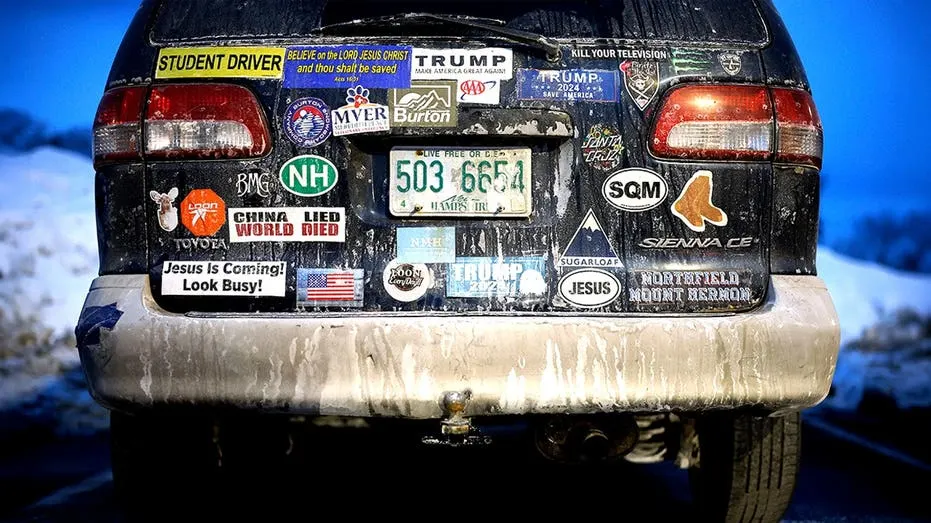
Rep. Pat Harrigan has introduced a bill to restrict how automated licence plate reader systems, including Flock cameras, collect and search vehicle data. It would limit searches based on political or religious messages on cars and require warrants in most cases, addressing concerns that the technology can track people’s movements without evidence of wrongdoing.
The proposal would require most records to be deleted within 24 hours, bar vendors from selling or sharing location data or using it to train AI, and require agency logs, reports and audits. It includes exceptions for emergencies, warrants and court orders, and would allow people to sue over unlawful searches; states without adequate safeguards could lose 10% of certain federal criminal justice funding. Supporters of the cameras cite their role in crime investigations, while critics warn about privacy and constitutional rights.
- A bill would restrict searches by automated licence plate readers.
- Most searches would require warrants and records be deleted within 24 hours.
- Vendors could not sell location data or use it to train AI.
Both sides, in good faith
The strongest fair case each way — we don't pick a winner.
The case for
Supporters of the bill argue that vehicle tracking can reveal sensitive patterns of movement, and that searches linked to political or religious messages risk chilling lawful expression. Warrants, short retention periods, audit requirements and limits on data sharing could protect privacy while leaving emergency and court-authorised uses available.
The case against
Critics may argue that broad warrant requirements and rapid deletion could make it harder for police to identify vehicles connected to crimes, find suspects or solve cases across jurisdictions. They may also see federal funding conditions and private lawsuits as unduly constraining local agencies, especially where existing safeguards and oversight already govern camera use.