‘You’re at war when you get attacked’: Mark Carney shows combative nature in face-off with Trump
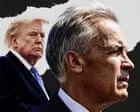
Canadian prime minister Mark Carney has adopted an openly combative stance towards Donald Trump after trade talks between the two countries collapsed, framing the breakdown as an attack that Canada must resist rather than accept unfavourable terms. The shift is notable because Carney, a former central banker known for calming markets, is now one of the few world leaders willing to publicly confront Trump, and their rift has escalated into mutual tariff threats and pointed provocations, including Trump's move to rename Lake Ontario "Lake America".
Speaking after the talks broke down, Carney said "we cannot accept what they have offered, and we will not give what they have asked", casting the standoff in wartime language. Former colleagues, including someone who worked with him during his time as UN special envoy for climate action in 2021, describe him as doggedly determined and unwilling to back down, traits also evident during his tenure as governor of the Bank of England from 2013, where his demanding style and communications overhaul drew criticism from figures such as Labour's Pat McFadden. Those who work with him now say he retains the same intensity as prime minister, rising early, running daily, and expecting ministers to master their briefs in detail.
- Carney takes combative stance after Canada-US trade talks collapse
- Trump escalates tensions, including renaming Lake Ontario "Lake America"
- Colleagues say Carney's stubborn resolve was long evident in past roles
Both sides, in good faith
The strongest fair case each way — we don't pick a winner.
The case for
Carney’s firm response can be defended as protecting Canada’s bargaining position and showing that threats will not secure concessions. By making clear that Canada will resist terms it considers unfair, he may reassure Canadians and strengthen his leverage in future negotiations.
The case against
A more restrained approach could keep channels open and reduce the risk that tariff threats and public provocations harden into a prolonged trade conflict. Describing the breakdown as an attack may rally domestic support, but it could also make compromise harder and expose businesses and workers to greater uncertainty.