‘You’re not alone in the darkness’: Gambia president urges calm after violent blackout protests
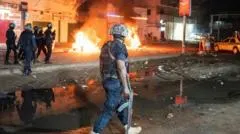
The Gambia's President Adama Barrow has appealed for calm after violent protests over prolonged power cuts erupted in Banjul on Monday night, with police firing tear gas to disperse demonstrators. The unrest, which saw tyres burned and roads blocked, highlights growing public anger over an electricity crisis that has left households without power for up to 48 hours at a time, and comes at a politically sensitive moment ahead of a presidential election expected in December in which Barrow is seeking a controversial third term.
Blackouts have persisted since June, worsening as hot-season demand has surged, and protesters marched on the offices of national utility Nawec chanting for Barrow to step down, while banners at his ruling party's office were also damaged. In a televised address, Barrow admitted failings in planning and maintenance, calling the situation a "national security issue", and pledged improvements by the end of October, including a new 24-megawatt unit at Brikama power station and a contract for a 50MW solar plant in Soma. Nawec's chief blamed reduced electricity imports from the regional grid, linked to lower rainfall, and appealed for patience from the public.
In short
- Gambia protests over 48-hour blackouts turn violent; police use tear gas
- President Barrow admits failings, promises fixes by end of October
- Unrest comes months before December election, where Barrow seeks third term
Steelman: both sides, in good faith
The strongest fair case each way — we don't pick a winner.
The case for
A government facing prolonged power cuts can reasonably argue that the crisis reflects pressures beyond its control, including surging demand and reduced regional electricity imports linked to low rainfall. Barrow has acknowledged failures in planning and maintenance and set out specific supply improvements, while urging calm so unrest does not cause further harm or disrupt efforts to restore electricity.
The case against
Residents enduring outages of up to 48 hours have good reason to demand reliable electricity and accountability, particularly after blackouts persisted for months and the president acknowledged planning and maintenance failures. With an election approaching and Barrow seeking a controversial third term, protesters may also see public pressure as a legitimate way to challenge the government’s record and seek urgent action.
Explained simply
The Gambia relies on the National Water and Electricity Company, known as Nawec, to supply much of its electricity. The country has faced repeated power cuts since June, made worse by higher demand during the hot season and reduced electricity imports from the regional grid.
Adama Barrow is the president, and he is seeking a third term in an election expected in December. The electricity crisis has become a public and political issue because outages disrupt daily life and have prompted calls for him to leave office.
The government and Nawec have pointed to planning, maintenance and supply problems behind the cuts. Promised power projects matter because they could affect how much electricity is available, though building new capacity takes time.