YouTube Uses Set-Piece Speech To Protest That It’s Not A “Villain” Intent On Toppling TV
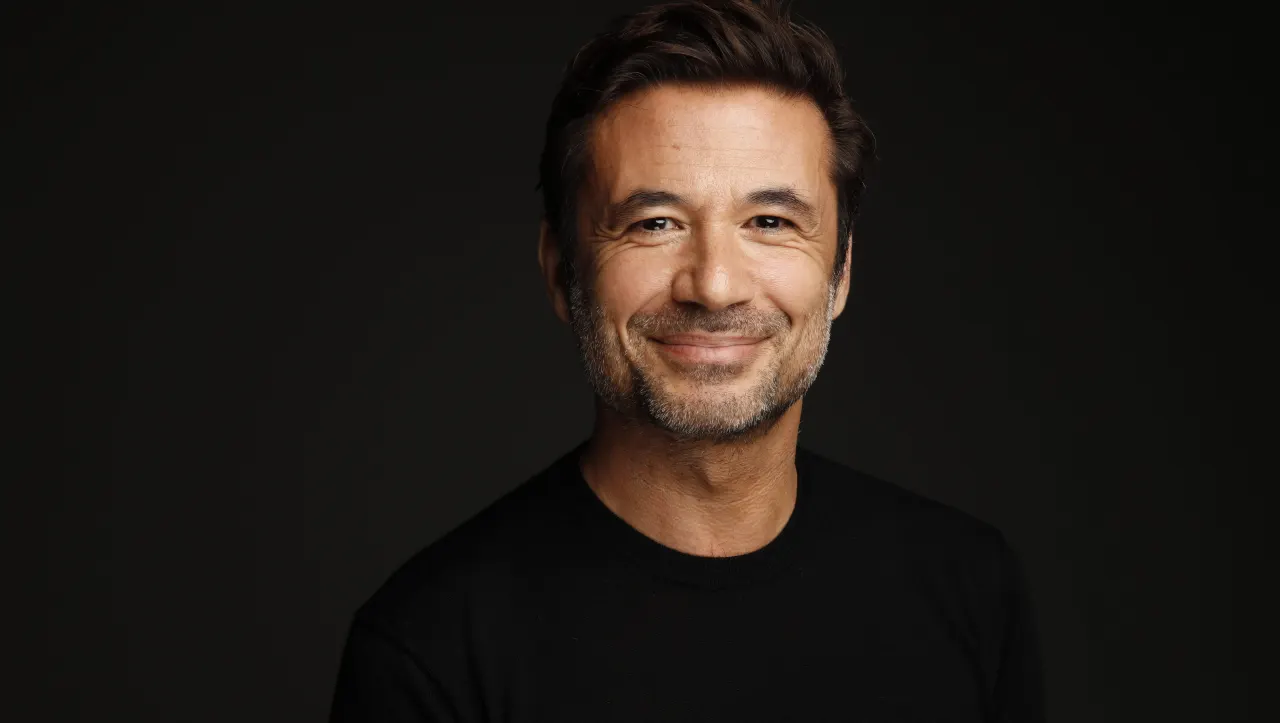
YouTube has told the television industry that it should be seen as a partner rather than a threat, in a major speech at the Edinburgh TV Festival. Pedro Pina, YouTube’s vice president for EMEA, argued that changing viewing habits create an opportunity for broadcasters and said traditional television retains distinctive strengths in creating shared cultural moments and high-profile drama.
Pina also criticised planned UK rules that could require YouTube and TikTok to give greater prominence to public service content, describing them as “forced prominence” that could harm creators and the public interest. He noted that 87% of Britons watch YouTube on television devices, while maintaining this use complements broadcasters; YouTube has nevertheless overtaken the BBC on a key audience-reach measure and is increasingly used by the BBC to reach younger and overseas audiences.
- YouTube says it complements, rather than undermines, British television.
- Pina opposed compulsory promotion of public service content online.
- Viewing on TV devices is growing, intensifying competition with broadcasters.
New here? Start with this
YouTube is a video platform where people can watch material made by both independent creators and established broadcasters. As more people use online services and television screens to watch video, broadcasters are adapting how they reach audiences, including by publishing programmes on YouTube.
In the UK, public service broadcasters such as the BBC have duties to provide programmes that serve the public, including news and educational content. Proposed rules could require major online platforms to make some of this material easier to find. The debate is over how those rules would affect viewers, creators and broadcasters.
YouTube and traditional television compete for viewers and advertising, but can also reach audiences through one another. The relationship matters to broadcasters seeking younger viewers and to policymakers considering how public service content should be found online.
Both sides, in good faith
The strongest fair case each way — we don't pick a winner.
The case for
Consumer preferences have genuinely shifted to YouTube, and the platform demonstrably partners with traditional broadcasters rather than displacing them. Mandating content prominence violates principles of user choice and open competition, potentially harming smaller creators and innovation. Such regulatory overreach risks damaging the competitive ecosystem that ultimately serves audiences better than state-directed content placement.
The case against
YouTube's algorithms decisively shape what audiences see, yet they are designed for profit and engagement rather than public good. Public service broadcasting serves democratic functions—quality journalism, diverse drama—that cannot thrive when competing against engagement-optimised systems without visibility protection. Reasonable regulation safeguarding media plurality is proportionate when concentrated platform power threatens it, similar to how we regulate other powerful concentrated sectors.
Entertainment Government Politics Trending TV UK Weird & Viral World