World news and discussion on TalkFuse.
Yvonne Rainer, Trio A review: watching this thrilling performance for free feels like an enormous privilege
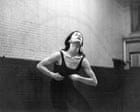
The Tate Modern is hosting a public performance of Yvonne Rainer's 'Trio A' to commemorate the 60th anniversary of a work that fundamentally transformed contemporary dance. Performed without admission charge, the piece has become accessible to diverse audiences—art students, families, tourists, and schoolchildren. Each performance consists of three dancers moving through the same sequence of movements, but at self-determined speeds, causing them to fall progressively out of alignment with one another.
Rainer pioneered a radical reimagining of dance by incorporating everyday physical actions and deliberately removing theatrical conventions. The performers direct their attention inward toward their own bodies rather than toward spectators or each other, eliminating psychological drama from the work. This approach allows each dancer's age, body type, and natural rhythm to shape how the choreography unfolds, creating organic variation within a precisely defined movement vocabulary.
In short
- Yvonne Rainer's landmark 1966 dance work 'Trio A' is being performed free at London's Tate Modern on its 60th anniversary, open to the general public
- The piece features three dancers executing identical choreography at their own individual tempos, creating gradual desynchronisation and highlighting each performer's unique physical qualities
Explained simply
Yvonne Rainer was an American choreographer who fundamentally changed how dance could be made and understood. In the 1960s, she rejected the theatrical spectacle that dominated dance at the time, stripping away elaborate costumes, music, and dramatic storytelling to focus instead on the body's natural movement.
Her most celebrated work, Trio A, created in 1966, embodies this philosophy. The piece consists of a simple sequence of everyday movements—walking, bending, gestures—performed by three dancers simultaneously. Rather than moving in perfect synchronisation, each dancer executes the sequence at their own pace, gradually causing them to fall out of alignment with one another.
The Tate Modern is marking the 60th anniversary of Trio A with free public performances. This accessibility means that people beyond the traditional art world audience—schoolchildren, families, tourists—can experience a work that fundamentally shaped contemporary dance, seeing how different bodies interpret the same movement vocabulary in their own way.
Americas Culture Entertainment Music World