Zelensky tries to fix crisis over removal of defence minister and counts the cost
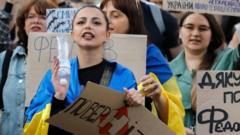
President Volodymyr Zelensky is facing continuing political fallout after deciding not to reappoint defence minister Mykhailo Fedorov in a cabinet reshuffle on 15 July. Although he has appointed an acting defence minister and replaced the commander-in-chief, Oleksandr Syrskyi, protests by Fedorov’s supporters continue, underlining discontent among younger Ukrainians and raising questions about Fedorov’s future political ambitions.
Fedorov has rejected alternative government roles, arguing that only the defence ministry, military command or presidency offer sufficient influence over the war. Zelensky chose 43-year-old Maj Gen Mykhailo Drapatyi as commander-in-chief after wide military consultation, and the appointment has been broadly welcomed; however, commentators say it only partly addresses the crisis caused by Fedorov’s removal. Wartime rules mean Ukraine cannot hold elections, despite speculation that Fedorov could become a future presidential contender.
In short
- Fedorov’s removal continues to fuel protests and political tension.
- Zelensky’s new military chief has eased, but not ended, the crisis.
- Fedorov rejected alternative posts and may have presidential ambitions.
Steelman: both sides, in good faith
The strongest fair case each way — we don't pick a winner.
The case for
The president legitimately determines his own defence team, particularly in wartime when full confidence between political and military leadership is paramount. The appointment of Maj Gen Drapatyi has been broadly welcomed by military professionals following wide consultation, suggesting the change strengthens rather than weakens defence capability. Executive personnel decisions in the defence ministry are a normal presidential prerogative, and wartime circumstances may necessitate changes that would be more contentious in peacetime.
The case against
Removing a popular defence minister during active warfare creates unnecessary institutional disruption and political division when national unity is most critical. Fedorov's continued support amongst younger Ukrainians and rejection of alternative roles suggest the decision caused genuine discontent without clear strategic justification. The absence of electoral checks due to wartime suspension of elections compounds concerns about accountability for such personnel decisions.
Explained simply
Mykhailo Fedorov was Ukraine's defence minister during Russia's ongoing war with the country. The relatively young politician had become influential in President Zelensky's government and was seen as important to decisions about military strategy and defence policy.
Ukraine's government recently underwent a cabinet reshuffle that resulted in changes to its defence leadership, including Fedorov's removal from the defence ministry. This decision has sparked protests from his supporters and revealed discontent about how the government is managing its military leadership during wartime.
These changes raise questions about Ukraine's military direction and its political future once elections can be held again. Fedorov's rejection of alternative government positions and his suggestion that only the defence ministry, military command or presidency offer sufficient influence suggest he may have presidential ambitions, though wartime restrictions currently prevent electoral contests that would test his wider political support.