Topic in entertainment

Music

Music covers the people, performances and recordings that shape what we hear, from classic rock and pop to newer artists and regional industries. It also includes the stories behind songs, albums, tours and the creative choices that give them lasting appeal.

About this topic

For readers, music offers both discovery and connection: a chance to find new voices, revisit familiar favourites and understand how artists build their work and careers. Disputes over samples, reunions and the changing business of entertainment show how creativity, money and cultural influence intersect.

18,565 stories Follow All news
Last 7 days 1,294 stories
0

Improve Android headphone sound by choosing apps and adjusting settings

  • Android may alter audio before it reaches your headphones.
  • Turn off unwanted sound effects and enhancements.
  • Lossless USB playback needs compatible software and hardware.

The article explains how to improve audio from an Android phone using wired or Bluetooth headphones, from choosing a capable music app to adjusting headphone equalisation. It says that simply buying better headphones may not be enough, because Android can process audio between the app and the listening…
Engadget0
0

STORM CORROSION’s Upcoming Second Album Will Include ‘A Single Piece Of Music That Is 45 Minutes Long’

  • Storm Corrosion’s second album centres on one 45-minute composition.
  • The music is largely acoustic, dark and occasionally atonal.
  • Vocals are still to be recorded.

Steven Wilson says Storm Corrosion’s forthcoming second album will centre on a single 45-minute piece of music created with Opeth’s Mikael Åkerfeldt. The project matters to fans because it continues the pair’s collaboration, more than a decade after their 2012 debut. Wilson described the music as mostly acoustic,…

Blabbermouth0
0

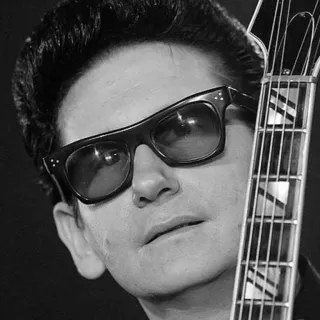
In 1961, Roy Orbison blatantly missed a note when recording his masterpiece. The blemish was purposefully kept in the final take of ‘Crying’

  • Orbison kept an off-key note in “Crying”.
  • He said he was immersed in the song’s memories.
  • The 1961 single topped the UK chart.

Roy Orbison’s apparently off-key note at the end of “Crying” was deliberately left in the recording, adding to the song’s sense of heartbreak. The blemish stands out in a performance by a singer celebrated for his wide vocal range and precision. In a 1980 interview, Orbison said he…

Far Out0
0

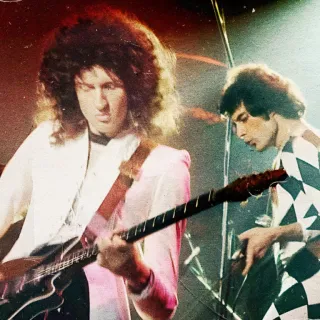
The 1970s rock giants Brian May was jealous of: “We were quite irritated by it”

  • Brian May wished Queen’s audiences would listen rather than sing along.
  • He admired Led Zeppelin fans’ attention at concerts.
  • Freddie Mercury’s showmanship made Queen’s performances vocal-centred.

Brian May said Queen were frustrated when concertgoers sang along to their songs instead of listening. He admired Led Zeppelin’s audience for paying close attention, a difference that reflected the bands’ contrasting live identities. Queen’s profile rose sharply after “Bohemian Rhapsody” was released in 1975, while Led Zeppelin…

Far Out0
0

3 Country Tracks From the 2010s That Still Feel Effortlessly Cool

  • Three 2010s country songs are presented as enduringly cool.
  • Musgraves’ song challenged genre conventions.
  • Church and Childers brought distinct energy and roots to country.

The article highlights three country songs from the 2010s that it says still sound fresh: Kacey Musgraves’ “Follow Your Arrow”, Eric Church’s “Springsteen” and Tyler Childers’ “Feathered Indians”. It argues that each has lasting appeal because the artists brought distinctive energy or ideas to country music. Musgraves’ 2013…

American Songwriter0
0

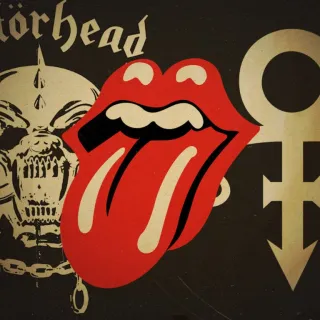
Five rock and pop artists defined by a logo

  • Five acts are recognised by logos without lettering.
  • Motörhead’s Snaggletooth was created in 1977.
  • Radiohead’s Mod Bears grew from a bedtime story.

The article selects five rock and pop acts whose distinctive images can identify them without words. It argues that a strong logo can capture a band’s spirit and become as recognisable as, or more recognisable than, its name. The examples in the supplied text include Einstürzende Neubauten’s ancient-looking…

Far Out0
0

Remember When Sting and Peter Gabriel Sang on a Phil Collins Song in 1985?

  • Sting and Peter Gabriel sang backing vocals on Collins’ 1985 hit.
  • The song was inspired by One Flew Over the Cuckoo’s Nest.
  • Bone Thugs-N-Harmony later sampled it, with Collins in the video.

Phil Collins’ 1985 song “Take Me Home” featured prominent backing vocals from Sting and Peter Gabriel, alongside Helen Terry. The track became a Top 10 hit and is one of several successful songs on Collins’ album No Jacket Required, which won two Grammy Awards. Despite its gentle sound,…

American Songwriter0
0

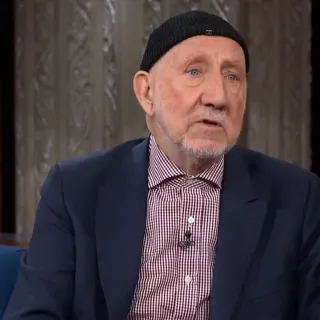
Pete Townshend reveals the three bands who filled The Who’s shoes: “They took the stadium audience that I had prepared”

  • Townshend says Springsteen, Queen and U2 filled The Who’s stadium rock role.
  • He believes The Who helped prepare audiences for anthemic stadium songs.
  • He has since reassessed Led Zeppelin and praised their albums.

Pete Townshend says Bruce Springsteen, Queen and U2 took over The Who’s role as stadium rock acts after the band split in the early 1980s. He believes The Who helped establish the audience for large-scale anthemic songs, and says the three acts carried that style to stadium crowds.…

Far Out0
0

4 Soft Rock Songs That Deserve a Spot on Your Halloween Playlist

  • Four softer, moodier songs for Halloween playlists
  • Fleetwood Mac, The Doors and Classics IV feature
  • Dusty Springfield’s “Spooky” earns an honourable mention

The article recommends four additions to Halloween playlists for listeners tired of familiar choices such as Fleetwood Mac’s “Rhiannon” and “Don’t Fear The Reaper”. It argues that these softer, moodier tracks offer a less predictable mix while retaining an eerie atmosphere. The selections are Fleetwood Mac’s “Sisters Of…

American Songwriter0
0

How an actor’s Boris Karloff impression turned into the biggest Halloween hit of all time

  • Bobby Pickett turned a Boris Karloff impression into “Monster Mash”.
  • The 1962 song became a recurring Halloween favourite.
  • Its theatrical horror theme helped it endure.

The article traces the making of Bobby “Boris” Pickett’s “Monster Mash”, a novelty song built around his impression of horror actor Boris Karloff. Its enduring popularity has made it a recurring Halloween favourite and a major part of the season’s popular music. Pickett developed the idea while performing…

Louder0