Topic in science

Climate

Climate change continues to reshape discussions across politics, business, and society. From how nations regulate emissions to the technologies being developed to address them, climate-related decisions are affecting everything from energy systems to the protection of heritage sites. This topic covers the evolving conversation around climate policy, scientific developments, and the practical challenges of implementing solutions.

About this topic

The climate story encompasses multiple fronts: efforts by governments to hold polluters accountable through courts and regulation, innovations in renewable energy and electrification, and the impact on communities and natural systems. It also highlights how Indigenous knowledge and traditional practices may offer new pathways, whilst corporate decisions—from datacentre development to mining operations—continue to influence global emissions trajectories.

Understanding these developments helps readers grasp how climate decisions ripple across economies, societies, and ecosystems. As regulations tighten, technology evolves, and impacts become increasingly tangible, the climate story has never been more central to the news that shapes our world.

787 stories Follow All news
Last 7 days 100 stories
0

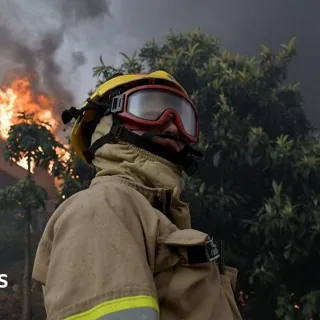
How climate change worsens heatwaves, droughts, wildfires and floods

  • Climate change is intensifying heat extremes.
  • Warmer air can bring heavier rainfall.
  • Heat and shifting rainfall can worsen drought.

Human-caused climate change is making many extreme weather events more frequent or intense, with rising temperatures increasing the risk of severe heat, heavier rainfall and worsening drought. The effects can threaten health, homes, food production and water supplies, while also increasing the conditions that allow wildfires to spread.…

BBC Science0
0

A really simple guide to climate change

  • Human activity is the main cause of rapid global warming.
  • 2024 was the hottest year on record.
  • Limiting warming could reduce severe and lasting harm.

Human activities, particularly burning coal, oil and gas, are driving rapid global warming and changing weather patterns. The article explains that climate change is already increasing extreme heat and other damaging impacts, while urgent action could still limit the worst consequences. Each decade since the 1980s has been…

BBC Science0
0

More than 100 protesters enter Microsoft data centre site in Amsterdam

  • More than 100 protesters entered a Microsoft data centre site in Amsterdam.
  • Campaigners want a pause on large AI data centre construction.
  • The coalition called for clearer rules, citing resource and climate concerns.

More than 100 protesters entered a Microsoft data centre construction site in Amsterdam on Friday, climbing cranes and hanging balloons. The action launched two days of demonstrations planned in 16 countries, as campaigners called for a pause in large-scale AI data centre construction over concerns about pressure on…

DWG2 sources ·
Centre
0
0

What is net zero and is the UK on track to achieve it?

  • UK emissions were 54% below 1990 levels in 2025.
  • The legal net zero target is 2050.
  • The climate adviser says progress is too slow.

Net zero means balancing greenhouse gases added to the atmosphere with gases removed, so human activity no longer increases their overall amount. It matters because these gases drive global warming and its effects, including heatwaves, extreme weather and rising seas; the article says climate change made the UK’s…

BBC Science0
0

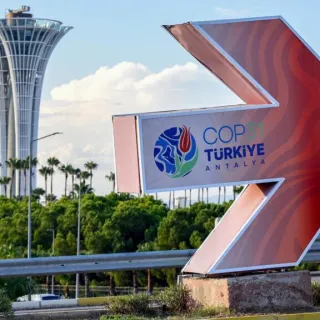
Turkey to push for ‘electrification’ drive at COP31 as climate threats mount

  • Turkey will promote a global electrification pledge at COP31.
  • The target is to raise electricity’s energy share to 35 per cent by 2035.
  • Disagreement over fossil fuels and climate finance clouds summit expectations.

Turkey will use COP31, which begins in Antalya on Monday, to promote a global electrification drive as climate risks grow. The proposal aims to increase electricity’s share of global energy demand, while expectations for a major summit breakthrough remain low amid disputes over fossil fuels, climate finance and…

France 240
0

Global temperatures are set to exceed 1.5 degrees above pre-industrial levels in 2026, likely the second-warmest year on record

  • 2026 is forecast to be the second year above 1.5°C.
  • It is likely to rank as the second-warmest year on record.
  • The Paris goal refers to long-term warming, not a single year.

Copernicus says global temperatures will almost certainly average more than 1.5°C above pre-industrial levels in 2026, making it only the second calendar year to do so after 2024. The forecast signals accelerating warming, but one year above the threshold does not mean the Paris Agreement’s long-term temperature goal…

0

Democratic Sweep in Texas Could Usher in Environmental Reforms

  • Democrats won key Texas statewide and legislative races.
  • Data centre growth is likely to face closer scrutiny.
  • Nearly 80 per cent of voters support limiting data centres.

Democrats swept Texas’s governor, US Senate and state House races, ending more than 30 years of Republican control and opening the door to environmental policy changes. The results could reshape oversight of the state’s energy and technology sectors, particularly the fast-growing data centre industry, whose electricity demand and…

Mother Jones0
0

Europeans favour climate action but resist measures affecting daily life

  • Most respondents recognise climate change and want action soon.
  • Support weakens when policies affect costs or everyday choices.
  • International cooperation is widely seen as more effective.

A YouGov poll in six European countries found broad belief in human-caused climate change and support for taking action soon, alongside reluctance to accept measures that would change daily habits or raise personal costs. The findings suggest governments face pressure to act, but may encounter resistance when policies…

The Guardian0
0

2026 ‘most likely’ to be second-hottest year on record says EU monitor

  • 2026 is most likely to be the second-warmest year recorded.
  • Copernicus puts the chance of exceeding 1.5°C above pre-industrial levels above 99%.
  • October was the warmest October on record globally.

The EU’s Copernicus Climate Change Service says 2026 is most likely to be the second-warmest year in records, behind 2024. Its forecast also puts the year virtually certain to average more than 1.5°C above pre-industrial levels, adding to evidence of sustained global warming. Using data through October, Copernicus…

Le Monde0
0

Glaciers around the world are endangered — but no two are alike

  • Glaciers have distinct local histories despite global ice loss.
  • Mount St. Helens lost about 70 per cent of its ice in 1980.
  • A new glacier is growing inside the volcano’s crater.

Glaciers are often described as one global system in decline, but each has its own history and effects on nearby people and landscapes. A glacier scientist argues that understanding these distinct stories matters because broad measures of ice loss can obscure local changes. The article describes Mount St.…

Grist0