0
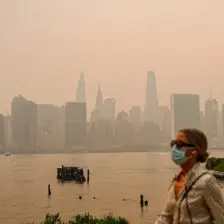
Wildfire smoke now bigger prenatal threat than human sources of air pollution
Regulations reduced prenatal exposure to harmful emissions, but wildfire smoke is erasing gains.
Climate change continues to reshape discussions across politics, business, and society. From how nations regulate emissions to the technologies being developed to address them, climate-related decisions are affecting everything from energy systems to the protection of heritage sites. This topic covers the evolving conversation around climate policy, scientific developments, and the practical challenges of implementing solutions.
The climate story encompasses multiple fronts: efforts by governments to hold polluters accountable through courts and regulation, innovations in renewable energy and electrification, and the impact on communities and natural systems. It also highlights how Indigenous knowledge and traditional practices may offer new pathways, whilst corporate decisions—from datacentre development to mining operations—continue to influence global emissions trajectories.
Understanding these developments helps readers grasp how climate decisions ripple across economies, societies, and ecosystems. As regulations tighten, technology evolves, and impacts become increasingly tangible, the climate story has never been more central to the news that shapes our world.
Regulations reduced prenatal exposure to harmful emissions, but wildfire smoke is erasing gains.
Julian Briggs on climate change, oil and gas licensing and further airport expansion

Scotland is attracting more tourists while parts of Europe endure heatwaves and Britain’s wider visitor market faces disruption from conflict, economic pressures and new EU border procedures. Tourism leaders say cooler weather, increased direct flights from North America, popular Scottish cultural imagery and domestic travellers avoiding border delays…
 ▶
Ireland experienced prolonged hot, dry weather in mid-August, placing pressure on farms through reduced grass growth, water-supply concerns and the need to consider supplementary feed for livestock. A high-temperature warning covered 13 counties, with daytime temperatures expected to exceed 27°C and warm nights also forecast. Agricultural advisers said…
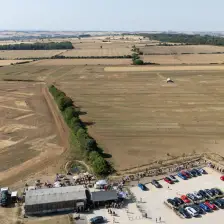
Farmers across England are set to receive £65 million in drought support, alongside a £15 million fund for on-farm reservoirs, as ministers respond to warnings that the sector is nearing “breaking point”. The measures aim to help farms secure water, feed livestock and sustain production amid drought, poor…

Analysis by the development network Bond says the UK’s 2025 overseas aid reduction was effectively at least £1.2 billion, more than double the £500 million cut ministers announced. The finding matters because the additional reduction could further limit support for communities affected by conflict, humanitarian crises and climate…

England’s prolonged heatwaves and widespread drought are placing increasing pressure on farms, with livestock suffering in extreme temperatures and grass growth falling sharply. The conditions matter because farmers are losing the summer forage normally stored for winter, potentially raising feed costs and creating longer-term risks for animal welfare…

Andy Burnham’s government has launched a consultation on reducing the proportion of new cars that must be fully electric by 2030, potentially lowering the target from 80% to 50%. The proposal matters because a slower shift away from petrol and diesel vehicles could add millions of tonnes of…

UK farmers are adopting a range of measures to cope with hotter, drier summers, including drought-tolerant crops, healthier soils, ponds, rainwater storage and restoring wetland areas. The changes matter because repeated heatwaves and low rainfall are damaging crops, straining livestock water supplies and increasing reliance on imported vegetables.…

The SNP has been criticised by security experts after First Minister John Swinney called for a Chinese developer’s proposed wind-turbine factory near Inverness to be reconsidered. The project was blocked by the UK Government on national-security grounds, making the dispute significant because it highlights tensions between renewable-energy investment,…