Technology news and discussion on TalkFuse.
US Marines’ latest anti-drone toy is an AI turret that uses regular machine guns
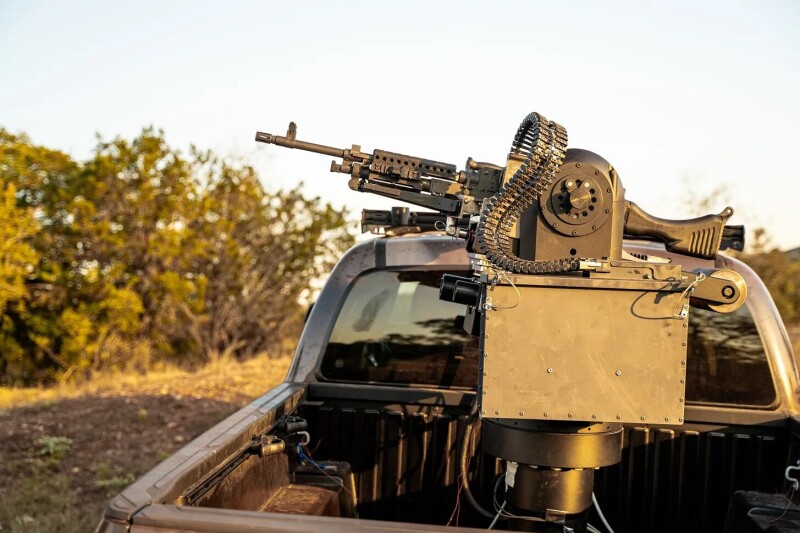
The US Marine Corps is adopting an AI-controlled gun turret system called Bullfrog, made by defence robotics firm Allen Control Systems (ACS), to counter the growing threat of cheap drones without relying on costly interceptor missiles. The system works by fitting onto existing military firearms rather than requiring a bespoke weapon, and it will be attached to the Marines' Light Marine Air Defense Integrated System (L-MADIS), a vehicle-based sensor and weapons platform. Notably, demonstration footage suggests the system can also be switched to target ground threats, raising questions about autonomous targeting of humans, since it appears to lack software safeguards against this.
ACS announced the Marine Corps deal, which will reportedly use the M240 machine gun variant, capable of firing up to 850 rounds per minute and engaging drones up to 800 metres away and as high as 18,000 feet. Bullfrog units are also available for larger weapons such as the M2 .50-calibre machine gun, with chain gun and minigun versions in development. The Marines become the third US service branch to field Bullfrog, after the Army and Navy, with ACS pointing to the proliferation of inexpensive drones in conflicts such as Russia-Ukraine and the Middle East as the driving need.
In short
- Marines adopt AI-guided Bullfrog turret for cheap drone defence
- System retrofits standard machine guns instead of dedicated hardware
- Can reportedly also target ground threats, with no autonomy safeguards noted
Steelman: both sides, in good faith
The strongest fair case each way — we don't pick a winner.
The case for
Modern conflicts increasingly feature swarms of inexpensive drones that human operators cannot respond to quickly enough, whilst interceptor missiles cost hundreds of thousands per shot. An AI-controlled turret system offers a cost-effective defensive capability against this asymmetric threat, using existing machine gun platforms rather than requiring dedicated systems. If properly configured with software safeguards to restrict targeting to aerial threats, Bullfrog represents responsible military innovation that protects personnel without wasting expensive precision munitions.
The case against
Autonomous systems that can engage targets without explicit human authorisation raise fundamental questions about accountability and adherence to international humanitarian law regarding distinction between combatants and civilians. The apparent lack of robust software safeguards preventing autonomous targeting of humans, combined with the ability to switch to ground targets, suggests the system may be deployed before adequate ethical and legal frameworks are established. Once such autonomous weapons systems prove militarily useful, institutional and technological momentum tends to drive their expansion beyond original constraints, normalising delegation of lethal force decisions to machines.
Explained simply
Cheap commercial drones are increasingly being used as weapons in conflicts around the world, from Ukraine to the Middle East. Traditional defences such as expensive interceptor missiles are costly to use against these relatively inexpensive threats. The US Marine Corps is adopting a new system that uses artificial intelligence to automatically detect and aim machine guns at these drones.
The system, called Bullfrog, is made by defence company Allen Control Systems. It attaches to existing military firearms—starting with the M240 machine gun, which can fire 850 rounds per minute and engage drones up to 800 metres away and 18,000 feet high. The Marines will integrate it into their Light Marine Air Defense Integrated System (L-MADIS), a vehicle-based platform for sensors and weapons.
The Army and Navy have already deployed Bullfrog systems, and larger weapon variants are in development. The proliferation of cheap drones in modern warfare has created demand for such solutions. However, demonstrations suggest the system could be switched to target ground threats, which has raised questions about the safeguards in place.