Beshear challenges Jennings, CNN to call McConnell live on air: ‘Put all the speculation to rest’
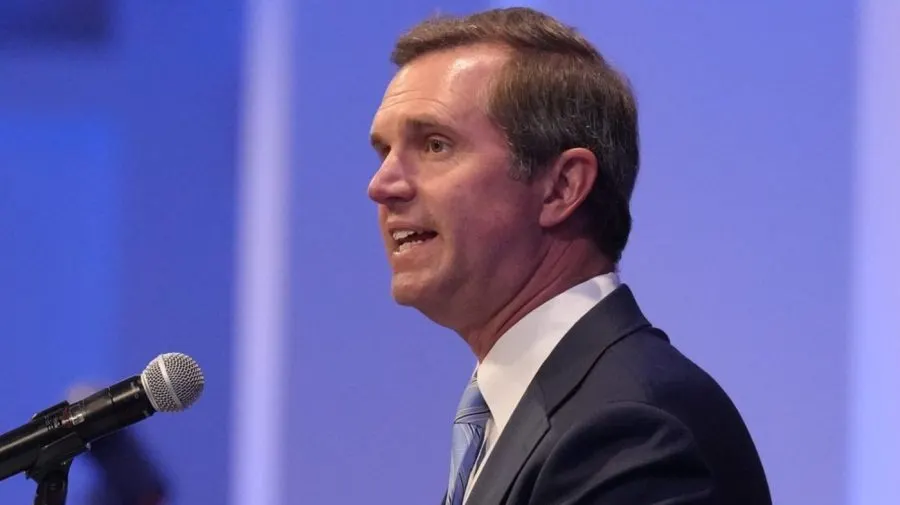
Kentucky Governor Andy Beshear challenged CNN commentator Scott Jennings to telephone Senator Mitch McConnell live on air, arguing that doing so would end public speculation about McConnell’s health and political future. The exchange highlights continuing concern over the veteran senator’s fitness for office and the wider uncertainty around his role in Republican politics.
McConnell, then a senior Republican senator from Kentucky, had faced scrutiny after several public health episodes and questions over whether he would seek re-election. Beshear’s proposal was framed as a direct way to obtain an update from McConnell himself, while Jennings was being pressed to address the speculation surrounding him.
In short
- Beshear urged CNN to call McConnell live.
- The challenge centred on health and political speculation.
- McConnell’s future remained under scrutiny.
Steelman: both sides, in good faith
The strongest fair case each way — we don't pick a winner.
The case for
Those supporting Beshear's position argue that voters have a legitimate democratic interest in assessing a senior senator's fitness for high office, and that direct public communication helps distinguish fact from speculation. McConnell's role affects millions of Americans, they contend, making confirmation of his health status not an invasion of privacy but a reasonable expectation in representative democracy. If he is able to serve effectively, they reason, a brief on-air conversation would dispel harmful rumour; if concerns are genuine, the public deserves transparent information to make informed electoral judgments.
The case against
Those opposing public pressure on health matters argue that elected officials retain a right to privacy regarding medical information, and that demands for live proof of wellness set problematic precedents regardless of intent. They contend that occasional health episodes do not necessarily reflect actual job capability, and that on-air fitness demonstrations risk normalising age discrimination and inappropriate scrutiny. The proper venues for addressing fitness concerns, they maintain, are elections and constitutional processes, not media challenges—placing the burden on politicians to perform wellness on camera rather than on voters and institutions to use existing democratic channels.
Explained simply
Mitch McConnell is one of America's most powerful Republican politicians and has served as a senator from Kentucky for decades. As the senior Republican in the Senate for many years, he has wielded significant influence over his party's agenda and strategy. His decisions about whether to seek re-election and how to lead the Republican caucus carry weight across the party.
In recent months, McConnell has faced public health episodes and questions about his fitness to continue in office. These incidents have sparked widespread speculation about his future and whether he intends to run again, with some questioning whether he can still perform his duties effectively. The uncertainty has left Republicans unclear about who will lead them in the Senate.
Kentucky Governor Andy Beshear's challenge for CNN commentator Scott Jennings to call McConnell live on air reflects the intensity of this speculation. Beshear suggested that simply talking to McConnell directly would settle questions about his wellbeing and intentions. The exchange underscores how much McConnell's health and political plans matter to the Republican party and American politics more broadly.