EU will mandate labels on authentic-looking AI content starting August 2
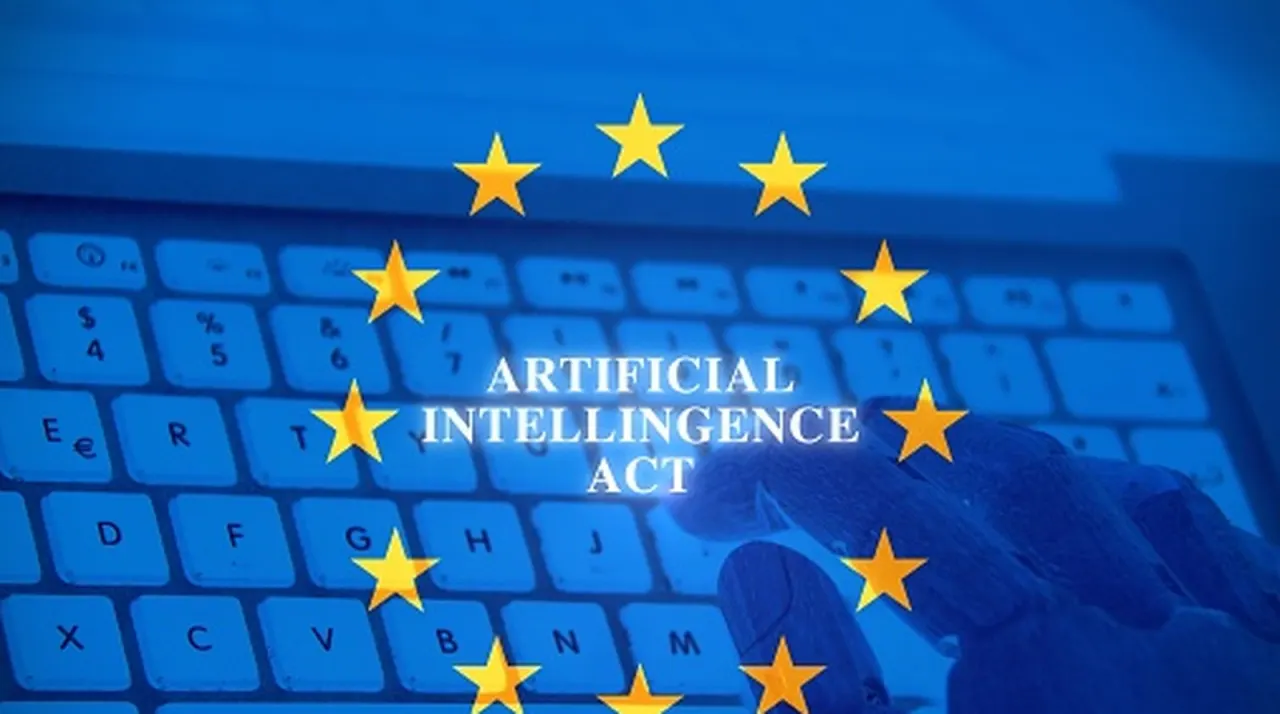
The EU will require companies to label AI-generated images, audio and text that are intended to appear authentic from 2 August. The measure, introduced under the EU AI Act, is intended to help consumers distinguish synthetic material from real content and reduce risks to trust, misinformation and democratic processes.
New AI systems placed on the EU market must comply immediately, while existing systems have an additional four months. Labels will take the form of digital watermarks, with exemptions for personal content and clearly artistic, satirical or fictional works; breaches could lead to fines of up to 3% of a company’s total gross revenue. The EU has provided optional standard black-and-white labels, although firms may create their own, and the rules may make AI use more visible in advertising, film and publishing.
In short
- EU labels for realistic AI content begin on 2 August.
- Existing systems receive four extra months to comply.
- Non-compliant firms could face fines of up to 3% of revenue.
Steelman: both sides, in good faith
The strongest fair case each way — we don't pick a winner.
The case for
Mandatory labels could help people recognise synthetic material presented as authentic, making it harder to mislead audiences and supporting trust in public debate. A common requirement may also give companies clearer expectations, while exemptions preserve space for personal, artistic, satirical and fictional uses.
The case against
A legal labelling mandate may impose costs and technical burdens, especially where watermarking is difficult to apply or verify, and could expose routine creative uses of AI to unwanted scrutiny. Critics may also question whether labels reliably prevent deception, while broad penalties and uncertain boundaries could chill lawful expression or disadvantage smaller firms.
Explained simply
The EU is a political and economic union whose rules can apply to companies selling products and services across its member countries. Its AI Act sets requirements for developers and users of artificial intelligence, including rules about making certain AI-created material identifiable.
The labels are intended for images, audio and text made by AI to look or sound genuine. Digital watermarks can help show how material was made, though they do not by themselves establish whether its claims are true. The rules matter because synthetic content can be difficult to distinguish from real material, with possible effects on public trust and democratic debate.
AI Art Celebrity Culture Entertainment Europe Technology World