How headlights got brighter, whiter, and more blinding after dark
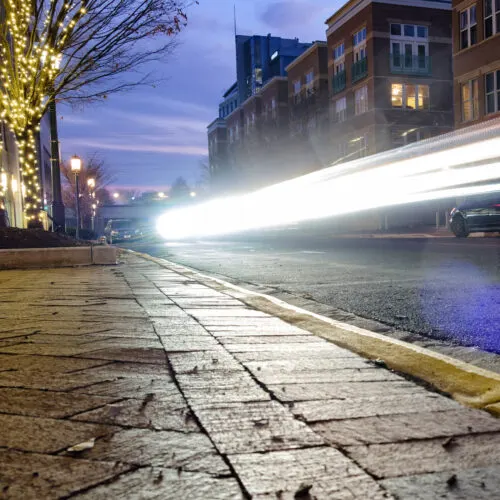
Modern headlights have become noticeably brighter and whiter, leaving many drivers dazzled by oncoming traffic even when high beams aren't in use. The article traces this shift back through the history of automotive lighting, explaining that today's glare problem stems not simply from careless drivers but from a long-running evolution in lighting technology and regulation that hasn't fully kept pace with modern vehicle design.
The piece charts the progression from oil lanterns on horse-drawn carriages, through flammable acetylene lamps in the early 1900s, to the technical standards that emerged as cars grew faster and night driving became routine. Early regulation in the UK, US and Europe simply required vehicles to carry lamps so they could be seen, with no consideration of beam pattern or glare control; these vague rules gradually hardened into more detailed lighting standards as complaints from pedestrians, horse riders and other road users mounted in the early 1900s, laying the groundwork for the more sophisticated, and sometimes blinding, lighting systems used today.
In short
- Modern car headlights are brighter, whiter and often dazzle other drivers
- Early cars used dangerous oil and acetylene lamps with poor visibility
- Lighting rules evolved gradually from "just be visible" to today's standards
Steelman: both sides, in good faith
The strongest fair case each way — we don't pick a winner.
The case for
Modern vehicles travel at higher speeds and require better visibility to detect hazards in adequate time. Brighter, whiter headlights allow drivers to see further down the road, enabling earlier detection of obstacles, pedestrians and other road users – a genuine safety improvement that demonstrably reduces accidents. The regulatory shift toward enhanced brightness reflects this legitimate safety imperative, and concerns about glare often reflect personal discomfort rather than substantive safety harm.
The case against
Whilst brightness benefits the driver using the headlights, excessive glare significantly impairs the vision of oncoming drivers, creating a direct and measurable safety hazard that increases accident risk. Modern LED and HID technology has advanced faster than safety standards could adapt, producing temporary blindness in other road users with inadequate regulation of beam patterns and glare control. The fundamental problem is that current standards prioritise one driver's forward visibility whilst compromising the safety of all other road users, rather than seeking a balanced approach that serves everyone.
Explained simply
Carriage lamps were originally designed to help people see and be seen on dark roads. As cars became faster and night driving more common, early rules in the UK, US and Europe required vehicles to carry lights but said little about where their beams should point or how to limit glare.
Complaints from pedestrians, horse riders and drivers led to more detailed standards for headlights. Over time, new lighting technologies and changes in vehicle design altered how bright and white headlights appeared, while regulation did not always keep pace. This history helps explain why glare can affect drivers even when oncoming cars are not using their high beams.