Politics news and discussion on TalkFuse.
Trump wants the power to stop the public from suing polluters
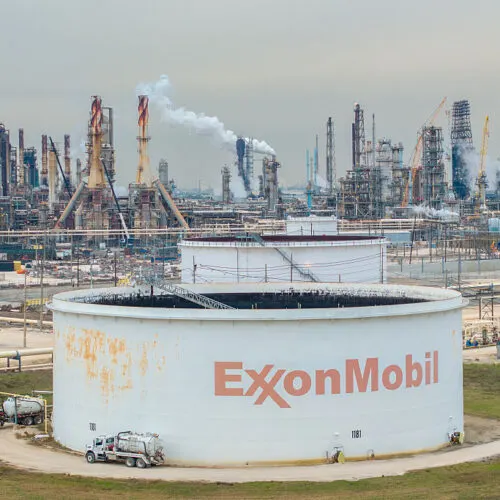
The Trump administration has argued in a legal filing linked to a case involving Elon Musk's xAI that ordinary citizens should not be allowed to enforce US environmental laws, insisting that enforcement should rest solely with the executive branch even if it chooses not to act. This challenges "citizen suit provisions" written into laws such as the Clean Air Act, Clean Water Act and Safe Drinking Water Act, which Congress deliberately included so that individuals and advocacy groups could sue polluters or negligent federal agencies when the government failed to intervene.
These provisions have underpinned more than 2,000 lawsuits since the 1970s and make up the majority of environmental cases, having been used to block dam construction, halt illegal wastewater injection and secure penalties such as $14.2 million from a petrochemical facility. Notable cases include a 2019 settlement in which Formosa Plastics paid $50 million after Texas shrimper Diane Wilson sued over plastic pellet pollution, and a 2025 case in which Styropek USA paid $2.5 million and agreed to install filters after being sued by environmental groups over pellet discharges into a Pennsylvania creek.
In short
- Trump administration argues only government, not citizens, should enforce environmental law
- Citizen suit provisions have driven over 2,000 lawsuits since the 1970s
- Past cases won multimillion-dollar settlements from polluters like Formosa Plastics
Steelman: both sides, in good faith
The strongest fair case each way — we don't pick a winner.
The case for
Congress deliberately included citizen suit provisions in environmental statutes to ensure enforcement when the executive branch failed to act, recognising that government agencies lack unlimited resources and political will. The provisions have proven remarkably effective, producing over 2,000 lawsuits since the 1970s that have halted harmful practices, secured substantial penalties from major polluters, and protected communities like Texas shrimpers harmed by plastic pellet pollution—outcomes that might not have occurred through executive enforcement alone.
The case against
The executive branch, accountable through elections and subject to constitutional oversight, is the appropriate institution to enforce environmental law with consistency and efficiency across competing priorities. Allowing unlimited private litigation imposes substantial costs on businesses, risks frivolous claims that consume court resources, and may prioritise narrow plaintiff interests over comprehensive, coordinated environmental protection—outcomes the executive can better achieve through strategic enforcement and negotiated settlements.
Explained simply
US environmental laws such as the Clean Air Act and Clean Water Act set rules to limit pollution. Congress also gave members of the public and advocacy groups a way to sue companies or government agencies when they believe those rules are being broken and officials have not acted.
These cases are known as “citizen suits”. They have been used since the 1970s to challenge pollution, including plastic pellets entering waterways, and can lead to penalties or agreements to reduce pollution. The dispute matters because it concerns who can enforce environmental laws when the government chooses not to intervene.
Elections Environment Politics Science