Oman reports progress in Hormuz talks as Iran sets conditions
Developed over time first seen 2 months ago
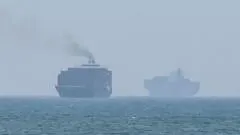
Oman brokered progress towards an agreement with Iran on securing a shipping route through the Strait of Hormuz, though Tehran made clear that any deal would not lead to an immediate reopening of the vital waterway. The talks matter because Iran has effectively blockaded the strait, through which around a fifth of the world's oil and gas normally passes, since the US and Israel began military strikes there in February, disrupting global energy supplies.
The proposed arrangement centres on Iran and Oman jointly managing a new route through the strait, but Iran's foreign minister said full reopening remained contingent on further conditions, including US compensation for alleged violations of a June ceasefire deal that quickly collapsed. Iran's security chief listed six demands of the US, among them an end to threats, lifting the naval blockade of Iranian ports and unfreezing Iranian assets. Underlining the risks, the UAE accused Iran of striking an Adnoc-linked tanker with a missile in the strait, though no casualties were reported, while Vice-President JD Vance said Washington was still working out safe-passage arrangements and denied Iran planned to impose transit fees on shipping.
- Oman-brokered Hormuz talks progressed, but Iran ruled out immediate reopening
- Iran ties full reopening to US compensation and lifting its naval blockade
- UAE says Iran missile-struck an Adnoc tanker; no casualties reported
New here? Start with this
The Strait of Hormuz is a narrow stretch of water between Iran and Oman that links the Persian Gulf to the open sea. It is one of the world’s most important shipping routes because large volumes of oil and liquefied natural gas pass through it each day.
Iran controls the northern side of the strait, while Oman has often acted as a mediator between Iran and Western countries. The United States has a major naval presence in the region and works with Gulf states, including the United Arab Emirates, to protect commercial shipping.
Disruption in the strait can delay energy supplies and raise transport and fuel costs around the world. Tensions there also create risks for crews and vessels travelling to and from ports in the Gulf.
Both sides, in good faith
The strongest fair case each way — we don't pick a winner.
The case for
Supporters of the talks would argue that even limited progress is valuable because the Strait of Hormuz is vital to global energy supplies and commercial shipping. A negotiated, internationally understood route could reduce the risk of miscalculation, protect crews and cargoes, and give all parties a practical way to lower tensions without requiring a broader political settlement. They may also see Oman's mediation as a credible channel for building confidence step by step.
The case against
Sceptics would argue that an agreement on a shipping route is inadequate if Iran maintains that it would not amount to reopening the strait. They may worry that ambiguous terms could leave vessels exposed to disruption, coercion or sudden changes in interpretation, while allowing the underlying security crisis to persist. From this perspective, any deal should include clear guarantees of safe passage, transparent enforcement and safeguards against one party retaining effective control over an international waterway.
More coverage
Read the full article at the source →
Originally published by BBC World as “Hormuz talks positive, Oman says, as Iran warns deal would not open strait”.