Penny Wong launches blistering attack on Pauline Hanson over her vision for Australia: ‘Seeks to divide for clicks and votes’
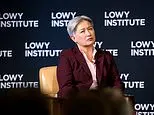
Penny Wong criticised Pauline Hanson in the Australian Senate, accusing the One Nation leader of pursuing division for political attention and votes. Wong’s remarks followed Hanson’s decision to wear a burqa in the chamber while pressing for a ban on face coverings, an episode that renewed debate about religious freedom, racism and parliamentary standards.
Hanson was suspended after refusing to apologise for the stunt, which occurred after she was prevented from introducing her proposed legislation. Wong said the action mocked Muslim Australians and could have harmful consequences, while Hanson maintained that she was raising concerns about women’s rights and public safety; it was the second time she had worn a burqa in parliament.
- Wong accused Hanson of exploiting division for political gain.
- Hanson was suspended after wearing a burqa in the Senate.
- The incident reignited debate over Islamophobia and face-covering bans.
New here? Start with this
Australia’s parliament has long debated immigration, national identity and the place of religion in public life. Pauline Hanson leads One Nation, a political party known for campaigning for tighter immigration rules and for criticising aspects of multiculturalism and Islam.
A burqa is a garment worn by some Muslim women that covers the body and face. Proposals to restrict face coverings raise questions about public safety, women’s rights, religious freedom and whether laws would unfairly single out Muslim Australians.
Penny Wong is Australia’s foreign minister and a senior figure in the governing Labor Party. The dispute also concerns standards of behaviour in parliament, including how politicians make their arguments and the effect such actions can have on minority communities.
Both sides, in good faith
The strongest fair case each way — we don't pick a winner.
The case for
Supporters of Wong’s criticism argue that using religious dress as a parliamentary prop demeans Muslim Australians and turns a sensitive question of law and policy into a spectacle. They contend that elected representatives should debate face-covering rules with evidence and respect for religious freedom, rather than employ tactics liable to stigmatise a minority and deepen social division. From this perspective, the suspension properly defended parliamentary standards and the equal dignity of citizens.
The case against
Supporters of Hanson’s position argue that face-covering restrictions are a legitimate subject for Parliament, involving public identification, security and concerns that some women may face coercion. They may view her demonstration as an attempt, however confrontational, to make visible what she sees as the practical and symbolic implications of garments that conceal the face, particularly when ordinary debate has not advanced her proposal. From this perspective, disciplining her risks treating a contested policy question as beyond forceful political expression.