Afghan women tell the BBC their lives are unrecognisable after five years of Taliban rule
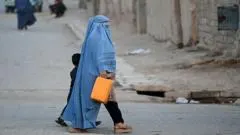
Five years after the Taliban returned to power in Afghanistan, women and girls told the BBC that restrictions have transformed their lives, limiting education, employment, travel and personal ambitions. Their accounts illustrate how policies imposed since 2021 have left many focused on survival amid poverty and fearful of speaking openly, while the Taliban maintains that women are not wholly excluded from public life.
Afghanistan is the only country officially banning girls from secondary and higher education, with Unicef estimating that about 2.6 million girls cannot study beyond Grade 6. The UN says only 7% of Afghan women are employed, and women described losing careers and aspirations, including one former news anchor and a student who hopes to become a pilot; Foreign Minister Amir Khan Muttaqi said three million girls attend schools and religious centres and claimed female entrepreneurship has increased from 30,000 to 120,000.
- Taliban restrictions have reshaped Afghan women’s daily lives.
- Millions of girls remain barred from education beyond primary level.
- Taliban officials dispute that women are completely excluded.
New here? Start with this
The Taliban is an Islamist movement that governed Afghanistan in the 1990s and returned to power in August 2021, after the withdrawal of foreign forces and the collapse of the former Afghan government. Since then, it has introduced rules that sharply restrict women’s and girls’ access to education, work and movement.
Girls in Afghanistan may attend primary school, but they are barred from secondary and higher education; the UN children’s agency estimates that about 2.6 million cannot study beyond Grade 6. UN figures also indicate that few Afghan women are employed. Taliban officials say girls attend schools and religious centres and that women’s business activity has grown.
The restrictions affect women’s ability to earn a living, pursue careers and make choices about their futures. Their effects matter both to Afghan families facing poverty and to international efforts to assess women’s rights and access to public life in the country.