Harvard agrees to $53M settlement with families after donated body parts were stolen, sold on black market
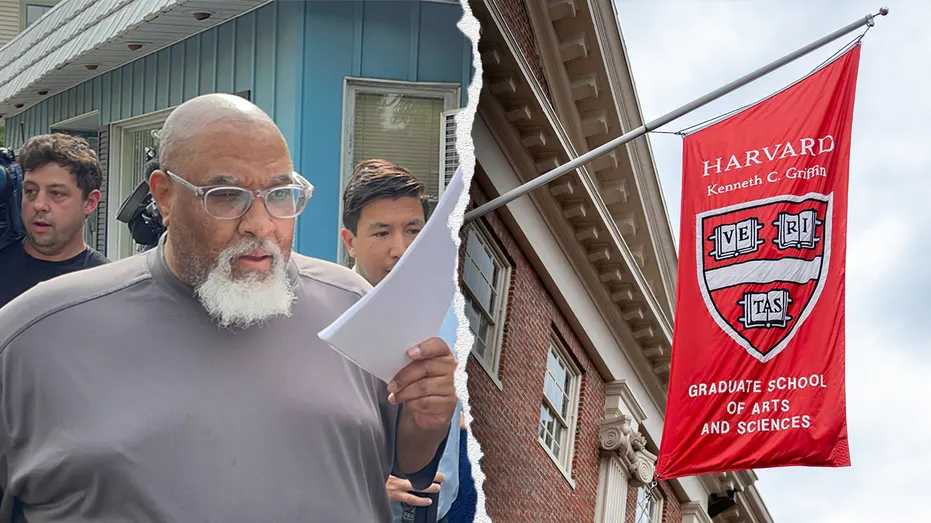
Harvard University has agreed to a proposed $53 million (£41.7 million) settlement with families of donors to its anatomical gift programme, after a former morgue manager was found to have stolen and sold body parts on the black market. The families had accused the university of negligently overseeing the programme, which relies on people donating their bodies to Harvard Medical School for research and education after death, in a case that has raised serious questions about oversight of body donation schemes.
The scandal centred on a manager at Harvard's morgue who allegedly stole remains donated for scientific study and sold them illegally rather than ensuring they were used or disposed of appropriately, betraying the trust of grieving families who believed their loved ones' bodies would serve medical science. The proposed settlement, still subject to approval, would resolve claims brought against the university over its handling of the programme, though further details of the case's legal proceedings were not fully specified in the available report.
- Harvard to pay $53 million settling claims over stolen donated body parts.
- Former morgue manager allegedly stole and sold remains illegally.
- Families accused Harvard of negligently running its body donation programme.
New here? Start with this
Harvard's anatomical gift programme allows people to donate their bodies after death to Harvard Medical School, where they are used for research and teaching purposes. Families who take part do so on the understanding that the remains will be treated with respect and used only for legitimate scientific or educational work before eventual cremation or return.
The case centres on a former manager of Harvard's morgue, who is accused of stealing body parts donated through this programme and selling them illegally rather than ensuring they were properly used or disposed of. A number of donor families later sued the university, arguing it had failed to properly oversee the programme and safeguard the remains entrusted to its care.
The matter is significant because it touches on the trust that underpins organ and body donation systems more broadly, and raises questions about how well institutions like Harvard supervise those who handle donated remains. The proposed $53 million settlement would resolve the families' claims against the university, though it still needs formal approval before taking effect.