Which four hit songs were once the theme tune for ‘Ready Steady Go’ in the 1960s?
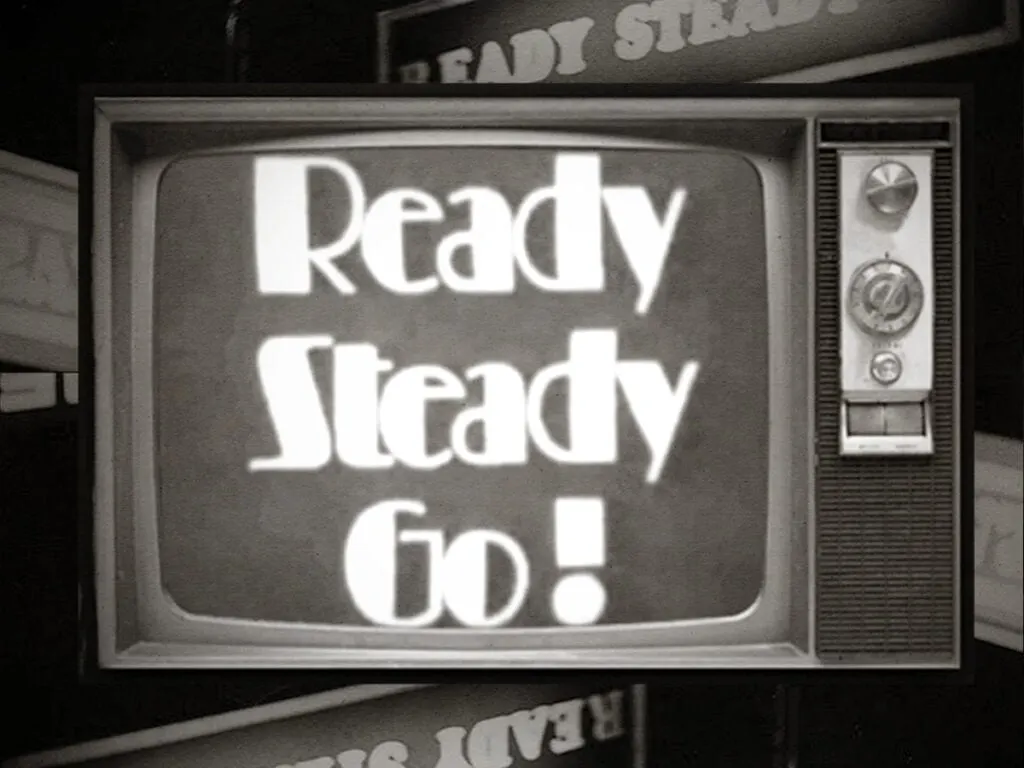
Ready Steady Go! launched on ITV in August 1963 with the tagline "The weekend starts here", becoming Britain's first major pop TV show aimed at the emerging youth scene and predating its BBC rival Top of the Pops. Unlike Top of the Pops' reliance on official chart rankings, the show focused on London's mod and beat-boom scene, giving early UK television exposure to acts such as Jimi Hendrix and The Beach Boys, and helping introduce Motown artists including The Supremes and Stevie Wonder to British audiences via a April 1965 special hosted by Dusty Springfield.
The programme's decline stemmed from ITV's fragmented regional scheduling compared with the BBC's unified reach, and a costly shift to live performance after abandoning lip-syncing due to a Musicians' Union ban on pre-recorded backing tracks. Its final episode aired on 23 December 1966. Over its run the show cycled through four different theme songs: The Surfaris' "Wipe Out" initially, then Manfred Mann's "5-4-3-2-1" from 1964, followed briefly by their "Hubble Bubble (Toil and Trouble)", before The Who's "Anyway, Anyhow, Anywhere" took over in 1965; the final broadcast used The Rolling Stones' "Goin' Home".
- Ready Steady Go! predated Top of the Pops as Britain's first youth pop show
- It gave UK TV debuts to Jimi Hendrix and The Beach Boys
- The show had four different theme songs before ending in 1966
New here? Start with this
Ready Steady Go! was a British pop music television programme that ran on ITV from 1963 to 1966, aimed squarely at young viewers caught up in the mod and beat music scenes of the time. It arrived before the BBC's Top of the Pops and took a different approach, favouring the sounds and styles emerging from London's clubs over official chart positions, which meant it showcased acts ranging from The Who and Jimi Hendrix to Motown stars like The Supremes.
The show is remembered as an important early platform for British and American pop and rock acts to reach a mass television audience, at a time when such exposure was still rare. It eventually came off air at the end of 1966, hampered by ITV's regional broadcasting setup and rising production costs after musicians' union rules forced it to move away from miming to backing tracks.
A lesser-known detail of the programme's run is that its opening theme tune changed several times, with different well-known songs of the era used to introduce the show at various points before it ended.