Producer Urged Trump to Back U.S. Film Incentive Citing Prospect of Shooting Richard Nixon Biopic Overseas
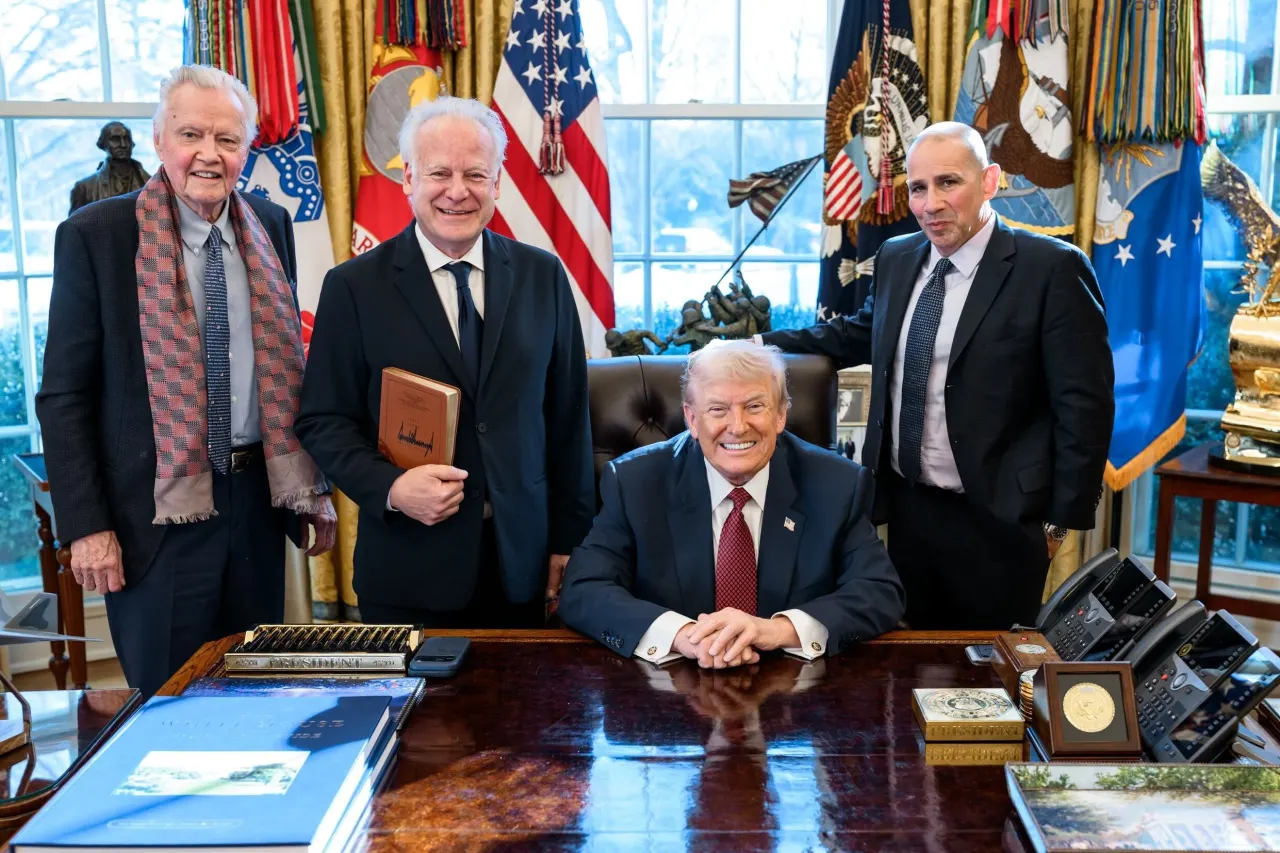
Actor Jon Voight and producers Steven Paul and Scott Karol met President Donald Trump at the White House on 31 August to press for a federal tax incentive for US film and television production, and Trump emerged supportive of the idea. The case was reportedly reinforced by Paul's disclosure that his upcoming biopic about Richard Nixon's early years would have to be shot outside the United States without a viable domestic tax credit, illustrating the wider trend of productions relocating to countries such as Canada, the UK and Australia.
The meeting was the latest step in an initiative Trump commissioned from Voight, his "special ambassador" to Hollywood, and the two producers to address job losses and declining domestic production. It follows earlier discussions at Mar-a-Lago and a May White House meeting, and builds on a broad industry coalition including the Motion Picture Association, SAG-AFTRA, the Teamsters, the WGA, DGA, IATSE and the Producers Guild of America, which is pushing for a 20% federal tax credit. After the meeting, Trump posted on Truth Social calling on Congress to "immediately" approve a federal production incentive, urging bipartisan support.
In short
- Trump backs federal film tax incentive after White House meeting with Voight, producers
- Producer said Nixon biopic would film abroad without a US tax credit
- Trump urged Congress to approve incentive immediately, seeking bipartisan support
Steelman: both sides, in good faith
The strongest fair case each way — we don't pick a winner.
The case for
Supporters argue that a federal production tax credit could help retain film and television jobs and investment in the United States as other countries compete for productions with their own incentives. They see a 20% credit as a way to strengthen the domestic industry and make it more viable to shoot projects such as the Nixon biopic at home, with backing from a broad range of industry groups.
The case against
Critics could argue that a federal tax credit would use public money to subsidise an industry that may already be commercially viable, with uncertain returns for taxpayers and benefits concentrated among production companies. They may prefer decisions about where to film to reflect underlying costs and conditions, or favour other ways to support workers and local economies without creating a new federal incentive.
Explained simply
Film and television tax incentives are government measures designed to make it cheaper to produce projects in a particular place. Many countries and US states offer credits or rebates, so producers may compare locations when deciding where to film.
Jon Voight, an actor appointed by Donald Trump to help address Hollywood’s concerns, and producers Steven Paul and Scott Karol have been campaigning for a federal US incentive. Industry groups, including unions and trade bodies, support a proposed 20% credit, which would require Congress to approve it.
The issue matters because filming brings work for cast, crew and local businesses, and production has increasingly taken place outside the US. A federal incentive could affect where projects are made and how public support for the industry is structured.