Canadian PM tells Trump to ‘stop trying to be tough’ in trade fight
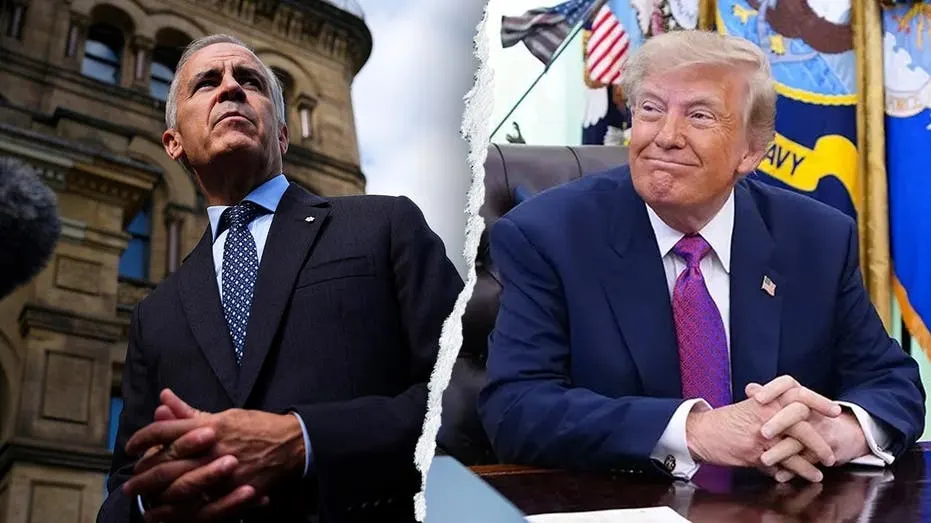
Canadian Prime Minister Mark Carney told reporters in Ottawa that the United States needs to "stop trying to be tough" and start negotiating seriously if it wants to resolve the ongoing trade dispute between the two countries, which has intensified over automobile tariffs. His comments follow weeks of escalating tension, including Donald Trump renaming Lake Ontario "Lake America" via executive order and senior US officials mocking Canada, actions Carney dismissed as "not constructive" and, regarding jibes at the Canadian military, "beneath their office."
Canada suspended trade talks on 21 August, with Carney citing several sticking points: US demands over language and culture, restrictions on Canada's future trade deals and sovereignty, and terms that would leave Canadian industries, including the automotive sector, subordinate to or gradually wound down in favour of their American counterparts. Trump responded by accusing Canada of wanting "the benefits of being a State, without being one," while Carney argued the US misunderstands the relationship, insisting Washington needs both Canadian and Mexican automakers. Carney left the door open to further talks but warned Canadian lawmakers that relations with the US represent "a new normal" rather than a temporary rupture.
In short
- Carney urges US to negotiate seriously, not mock Canada
- Trade talks stalled since 21 August amid tariff and sovereignty disputes
- Trump renamed Lake Ontario "Lake America" amid rising tensions
Steelman: both sides, in good faith
The strongest fair case each way — we don't pick a winner.
The case for
Canada’s position is that serious negotiations require respect for its sovereignty and room to set its own policies on language, culture and trade. Carney’s supporters can argue that terms subordinating Canadian industries or limiting future trade partnerships would weaken Canada’s long-term economic resilience, and that pausing talks signals those terms are unacceptable while leaving space for a fairer deal.
The case against
The US can argue that trade negotiations should address reciprocal market access and the effects of Canada’s policies on American businesses, and that conditions on trade, culture or future agreements may be part of seeking a broader settlement. From this perspective, suspending talks risks prolonging uncertainty for workers and firms on both sides, while continued engagement could help resolve disputes in sectors such as automobiles.
Explained simply
Canada and the United States are closely linked trading partners, with goods and parts often crossing the border during production. The car industry is a major part of that relationship: manufacturers in both countries rely on shared supply chains and access to each other’s markets.
The dispute concerns US tariffs on imported goods, especially cars, and the terms of any deal to reduce trade barriers. Canadian Prime Minister Mark Carney says some US demands could limit Canada’s control over its culture, future trade agreements and industries; US President Donald Trump has argued that Canada benefits from its ties with the United States.
The outcome matters to workers, manufacturers and consumers on both sides of the border, as tariffs and changes to supply chains can affect jobs and prices. It could also shape how the two countries manage their economic relationship in the years ahead.