How to change Siri’s voice
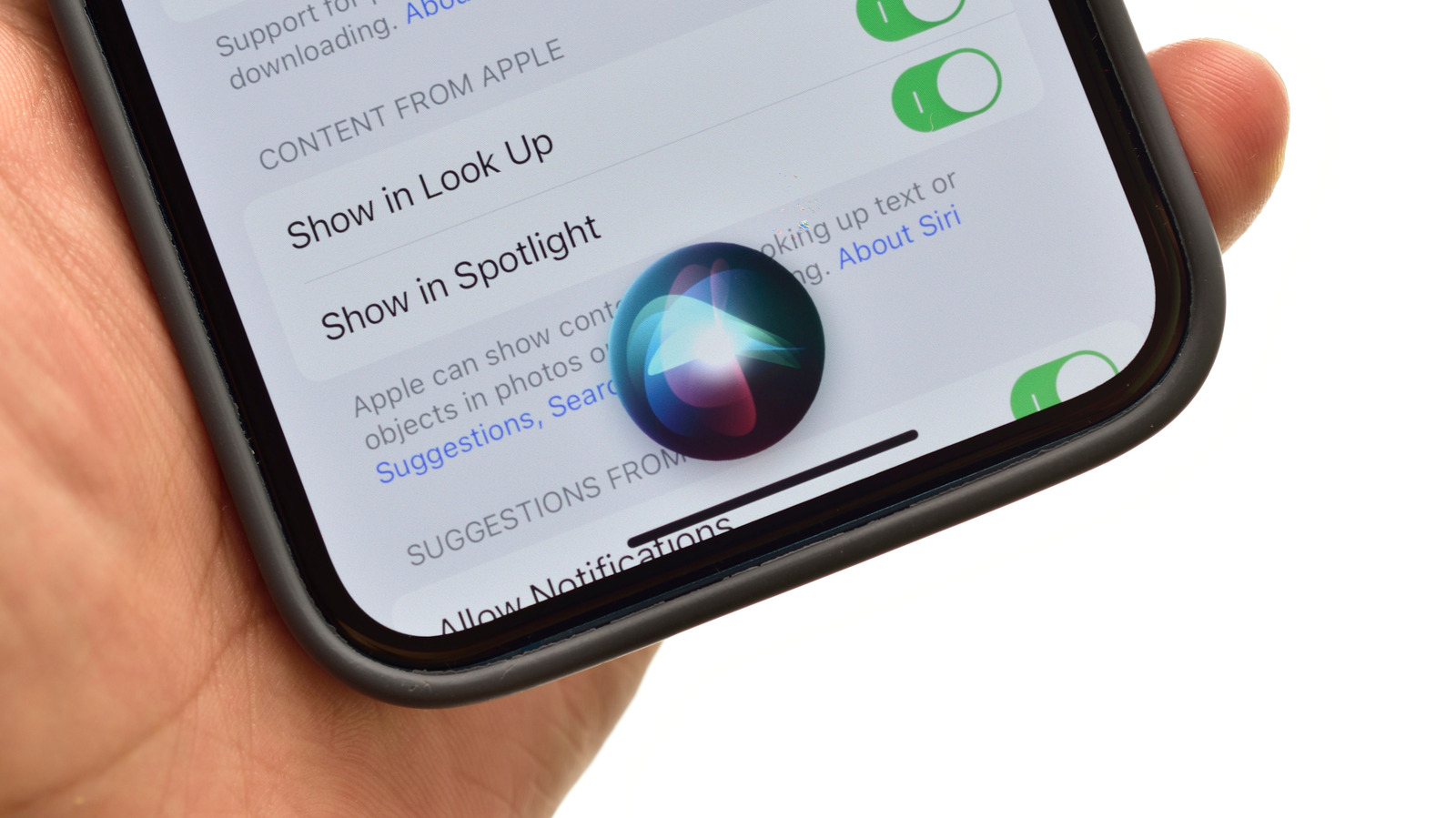
Apple's iOS 27 update will introduce a more expressive Siri voice, but the full customisation feature will only be available on the latest hardware, as the company continues trying to close the gap with Google and Samsung on AI assistant capabilities. Users don't need to wait for the September update to make basic tweaks, however, as voice and response options can already be adjusted in current versions of iOS and iPadOS.
The new "Siri Expressive Voice" feature lets users adjust the pace and emotional expressiveness of Siri's replies, but this full customisation is restricted to the iPhone 17 Pro, Pro Max and Air, plus iPads with an M4 chip or newer and 12GB of RAM; currently only American and British English options offer these sliders. On any supported device, though, settings menus already allow changes to Siri's voice, accent and response style, while a separate accessibility menu offers controls such as speaking rate, pause time and interruption behaviour. The iOS 27 update itself will reach devices as far back as the iPhone SE (2nd generation) and iPhone 11, though the extent of Apple Intelligence features will vary by device.
- iOS 27 brings a more expressive Siri voice, but only on newest hardware
- Existing settings already let users tweak Siri's voice and responses
- Full customisation limited to iPhone 17 Pro/Pro Max/Air and M4 iPads
New here? Start with this
Apple's Siri, the voice assistant built into iPhones and iPads, is getting an update as part of iOS 27, due in September. The change lets people adjust how expressive and natural Siri sounds when it speaks, rather than the flatter, more robotic tone many are used to. This is part of Apple's wider effort to catch up with rivals like Google and Samsung, whose assistants are generally seen as further ahead on artificial intelligence features.
Not every device will get the same level of control. The most advanced customisation is limited to Apple's newest phones and tablets, meaning many existing users will only see the improved voice technology once they upgrade their hardware. However, some voice and response settings can already be changed on current iPhones and iPads, so this is not entirely a new capability, just an expansion of it.
The story matters because it touches on a broader competition between major tech firms over voice assistants, which are increasingly used for everyday tasks like sending messages, setting reminders and controlling smart devices. How well these assistants sound and respond is seen as a factor in how much people trust and rely on them.