Israel’s E1 plan explained: The Jerusalem-area corridor sparking international backlash
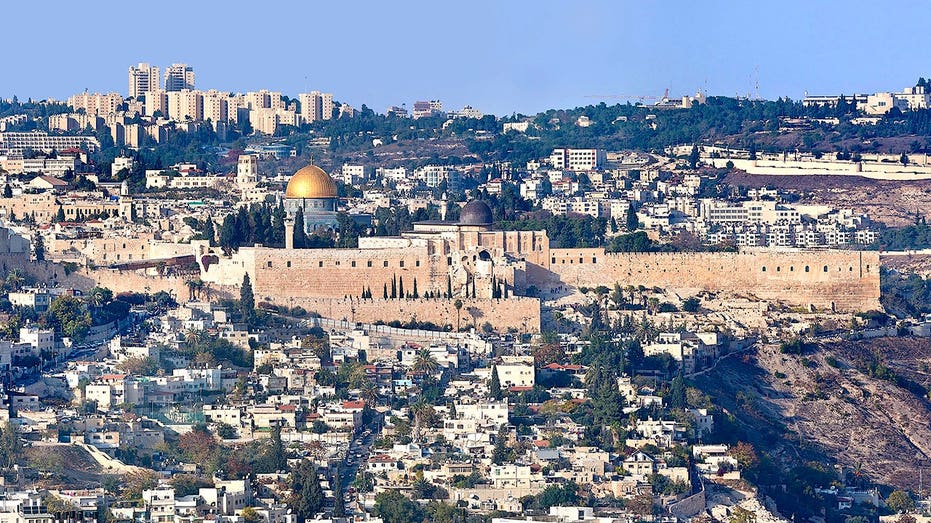
Israel's decision to press ahead with construction in the E1 area, which lies between the settlement of Ma'ale Adumim and Jerusalem in the occupied West Bank, has provoked a sharp international backlash. Britain has announced sanctions, while foreign ministers from eleven other countries – including Canada, France, Spain, Ireland and several Nordic and European states – have said they intend to impose or are considering trade restrictions on goods from Jewish communities in the area. Critics argue the project would effectively sever the West Bank in two, cutting off East Jerusalem from Palestinian towns and villages and undermining prospects for a future Palestinian state, making it one of the most contentious flashpoints in the wider Israeli-Palestinian dispute.
The Netanyahu government last month issued tenders for the first 1,400 of an eventual 3,400 housing units across the 4.6-square-mile E1 zone. UK Foreign Secretary Ed Miliband confirmed a ban on products from the area, citing the "unlawfulness of the occupation," while a spokesman for Netanyahu's office insisted E1 is simply a natural extension of Ma'ale Adumim and does not restrict Palestinian movement. The US State Department, without directly addressing E1, reiterated that Washington opposes West Bank annexation and warned such moves could hinder President Trump's plan to end the conflict in Gaza, while a former Palestinian Authority minister said there was no scenario in which the PA would accept construction in the area.
- Israel advances E1 housing project linking Ma'ale Adumim to Jerusalem
- UK and 11 other countries threaten sanctions or trade restrictions
- Critics say plan would split West Bank, blocking a two-state solution