How to know it’s time to replace your EV battery
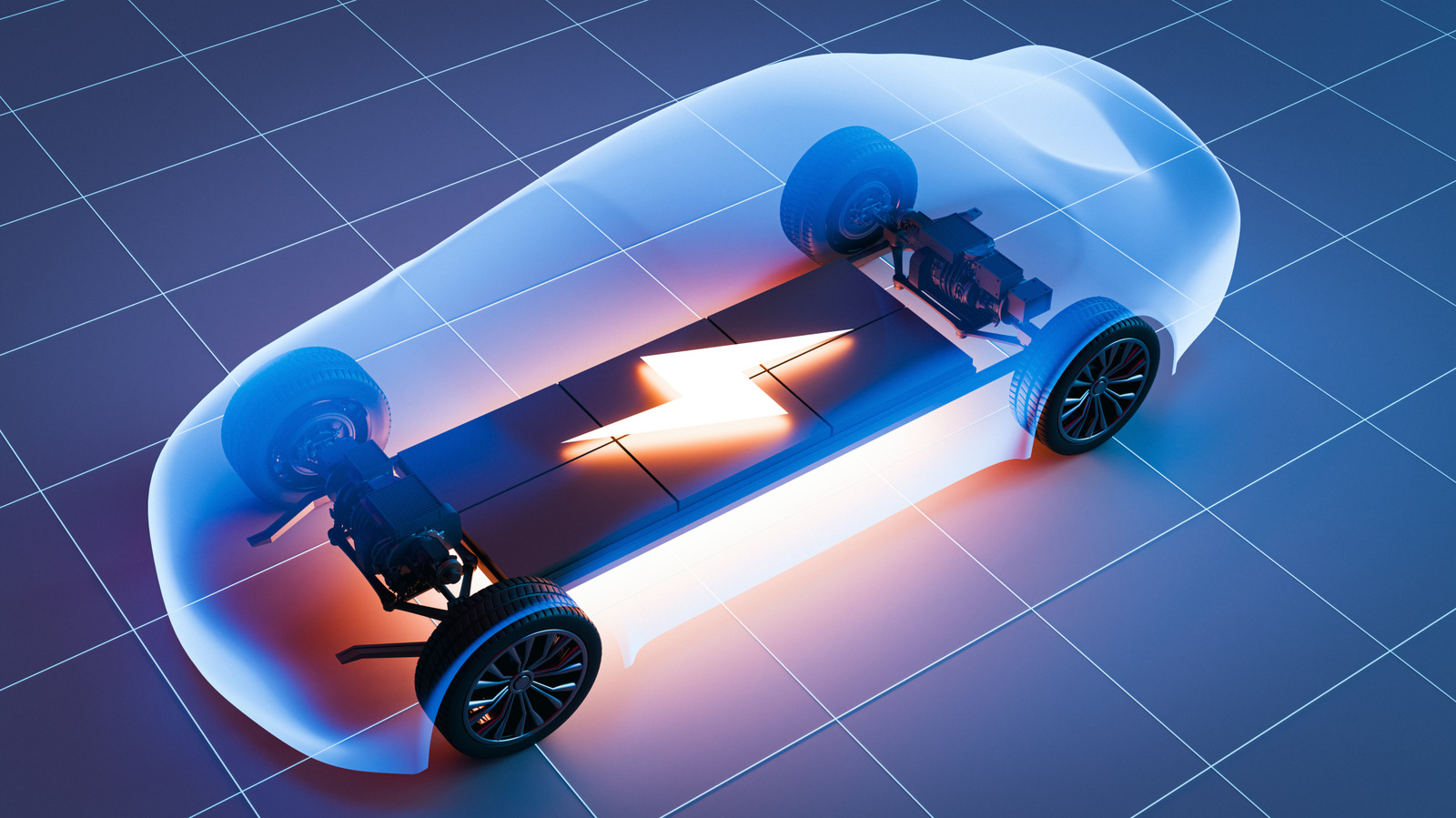
EV batteries typically degrade slowly with use rather than failing outright, meaning most range loss is normal ageing rather than a sign that a replacement is imminent. Complete battery failure remains rare in modern electric vehicles, and understanding the difference between gradual wear and a genuine fault can help owners avoid unnecessary worry or expense, and know when a professional diagnosis is actually warranted.
US Department of Energy data on around 15,000 plug-in vehicles found only 1.5% had batteries replaced due to failure, excluding recalls, with replacement rates under 1% for every model year from 2016 to 2023. Batteries are expected to last 12 to 15 years in moderate climates and 8 to 12 in extreme ones, with a 2026 Geotab study of over 22,700 EVs recording average degradation of 2.3% per year. Genuine warning signs include a sudden unexplained drop in range, a new charging limit, reduced performance, or dashboard alerts such as those Tesla issues for high-voltage battery faults — in which case owners should get an EV-qualified service centre to check diagnostics and battery warranty coverage before assuming costly replacement is needed.
- EV batteries usually degrade gradually; outright failure is rare
- Only 1.5% of DOE-surveyed EVs needed failure-related battery replacement
- Watch for sudden range drops or warning alerts, not just mileage