Solar Orbiter traces solar wind switchbacks to hot magnetic loops on the Sun
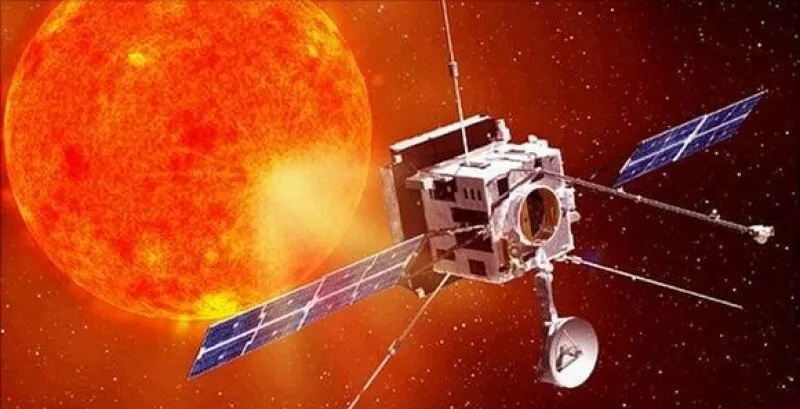
The European Space Agency's Solar Orbiter spacecraft has identified the origin of magnetic switchbacks in the solar wind, tracing these S-shaped structures back to their source at the Sun's surface. By flying through a large switchback and analysing the particles within it, scientists discovered that these formations originate from hot magnetic loops at the Sun, a finding with crucial implications for forecasting solar storms and protecting Earth's space-based infrastructure.
The Solar Wind Analyser instrument detected particles with distinctive signatures that could only have formed within the Sun's hot magnetic loops, providing definitive evidence for the "interchange reconnection" theory of switchback formation. This process occurs when different parts of the Sun's magnetic field interact, causing field lines to snap open and release previously trapped plasma into space. The findings, supported by data from NASA's Solar Dynamics Observatory, suggest that whilst waves and turbulence may affect switchbacks after they leave the Sun, the initial formation at the solar surface is governed by magnetic reconnection.
- ESA's Solar Orbiter traced solar wind switchbacks to magnetic loops at the Sun's surface.
- Particle analysis proved "interchange reconnection" theory explains how switchbacks form.
- Discovery aids forecasting of solar storms and protecting space infrastructure.
New here? Start with this
The solar wind is a continuous stream of charged particles that flows out from the Sun throughout space. Within this stream, scientists have observed unusual S-shaped structures called switchbacks, which appear as sharp bends in the solar wind's magnetic field.
These switchbacks are intriguing because they are linked to the Sun's magnetic activity and solar storms. Understanding where they originate is important for predicting hazardous solar events that can damage satellites, disrupt power supplies and knock out communications infrastructure on Earth.
The European Space Agency's Solar Orbiter spacecraft is specifically designed to study the solar wind at close range, whilst NASA's Solar Dynamics Observatory observes the Sun's magnetic field and surface activity from orbit around Earth. By combining data from both missions, scientists hope to unlock the secrets of how switchbacks form.
Celebrity Entertainment Research Science
Read the full article at the source →
Originally published by The Register as “Scientists get a new clue to the origin of solar wind ‘switchbacks’”.