UK regulator rejects proposed Wrexham and Rochdale train services
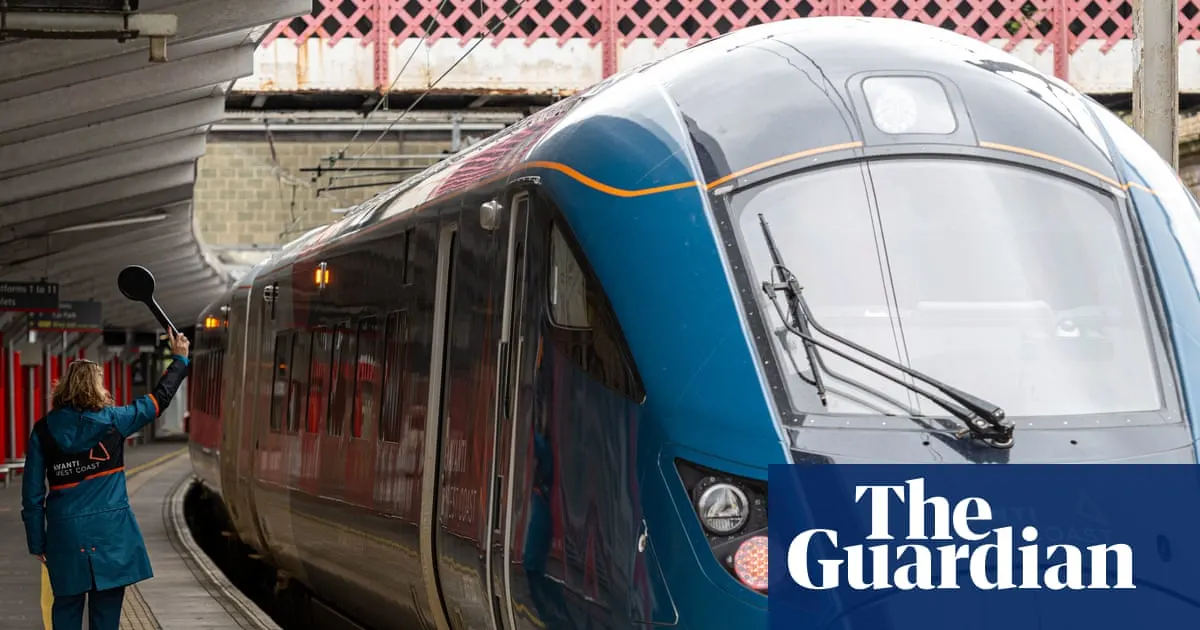
Britain's rail regulator has rejected proposals to introduce direct train services between London and Wrexham and Rochdale, citing insufficient capacity on the heavily congested west coast main line. The Office of Rail and Road also vetoed plans for additional London-Blackpool services, saying that adding more trains would reduce the network's ability to recover from disruptions and increase delays across the board. The decision reflects the regulator's view that timetable gaps are essential to maintain reliability rather than allowing maximum passenger capacity.
The rejected proposals included a service from Wrexham, Shropshire & Midlands Railway Company, a Lumo service to Rochdale, and additional Avanti Blackpool routes. This marks the second rejection for the Rochdale service, which was previously vetoed in 2025. However, the ORR did approve one additional London-Chester evening service from Avanti, which would otherwise have operated as an empty "ghost train" returning to the depot overnight. The west coast main line, one of Britain's busiest rail corridors, has faced mounting pressure as private operators seek to expand open-access routes following Labour's renationalisation of major rail contracts.
- Rail regulator rejects direct London-Wrexham and London-Rochdale train services due to capacity limits
- West coast main line already under severe pressure; extra trains would worsen reliability
- One London-Chester evening service approved as it was previously running empty
New here? Start with this
Britain's west coast main line is one of the country's busiest rail corridors, running from London through the Midlands to Manchester, Liverpool and Glasgow. The route handles a huge number of trains daily and has become increasingly congested as passenger demand has grown.
The Office of Rail and Road is the independent regulator responsible for approving changes to train timetables and services. Its role is to balance operators' desire to run more trains with the practical need to maintain network reliability, since overcrowded timetables can cause delays to spread quickly across services.
Rail operators have been seeking to expand services on busy routes where there is strong passenger demand. However, adding trains to an already stretched line raises questions about whether the network can safely accommodate more capacity without reducing reliability.
Both sides, in good faith
The strongest fair case each way — we don't pick a winner.
The case for
Wrexham and Rochdale represent substantial population centres currently underserved by direct London connections, and rejecting these services perpetuates regional inequality in transport investment. Railway infrastructure exists to serve passengers and regional economies, and with Labour's renationalisation providing strategic planning opportunities, declining these proposals is unnecessarily cautious. Targeted infrastructure investment could address capacity constraints rather than indefinitely blocking services that would generate genuine economic and social benefits for underconnected communities.
The case against
The west coast main line genuinely operates at capacity limits, and adding more trains to an already congested network does not improve overall service—it reduces reliability for all passengers when disruptions occur. The regulator's responsibility is to ensure safe, dependable operation; inserting additional services into an already-stretched timetable necessarily decreases the system's resilience and recovery capacity. Maintaining strategic timetable gaps is prudent network stewardship that protects the reliability millions of existing passengers depend upon daily.
Business Geopolitics Politics Software Space Technology
Read the full article at the source →
Originally published by The Guardian as “Wrexham and Rochdale train services rejected over west coast line pressure”.