Amazon plans more Alexa hardware under new Neo design framework
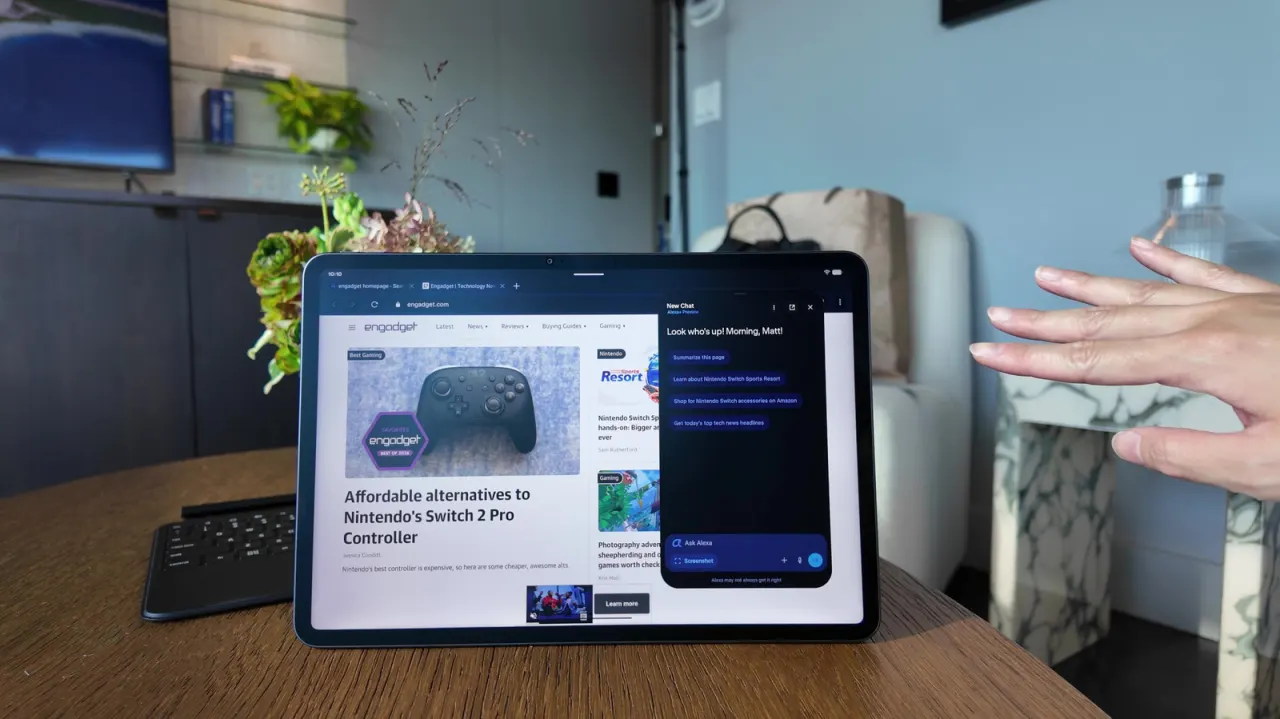
Amazon's Senior Vice President of Devices and Alexa, Panos Panay, has revealed plans to expand the Alexa brand across more hardware products. Speaking at the launch of the new Alexa Tablet series, which replaces the Fire tablet family, he teased forthcoming devices and a new design framework called "Neo" that will unite multiple products and services. This represents a strategic push to position Alexa as a central brand within Amazon's hardware ecosystem.
The Neo design language, being developed by design leader Ralf Groene, aims to solve what Panay describes as a growing problem: users becoming confused navigating multiple AI assistants and apps across different devices. Rather than requiring users to remember where they found information, Neo will create a unified structure to track and deliver information contextually based on location and device. Amazon already demonstrates cross-device continuity with features such as resuming Prime Video across rooms, and Panay indicated further details about Neo and Echo device updates will be shared later this month.
- Amazon plans to launch more Alexa-branded hardware beyond tablets.
- New "Neo design language" aims to unify devices and AI apps.
- The system helps users follow information across multiple devices seamlessly.
New here? Start with this
Amazon is expanding Alexa, its voice assistant, as a unifying brand across its hardware products. The strategic shift is being led by Panos Panay, head of Amazon's devices division, and includes replacing the Fire tablet brand with a new Alexa Tablet series. The aim is to make Alexa the main brand across all of Amazon's hardware offerings.
Amazon is introducing a design framework called "Neo" that addresses what the company sees as a growing problem: people becoming confused about which AI assistant or app to use, and forgetting where they found information across different devices. Rather than requiring users to remember where to find something, Neo will deliver information based on their device and location. This is intended to create a seamless experience that works without requiring much thought from the user.
Amazon already demonstrates this kind of connectivity with features like resuming a Prime Video programme in a different room from where you started watching. The Neo framework, being developed under design leader Ralf Groene, represents an expansion of this thinking across Alexa devices and services. The company has said it will provide more details about Neo and new Echo devices later this month.
Both sides, in good faith
The strongest fair case each way — we don't pick a winner.
The case for
Amazon's unified Neo framework addresses a genuine problem users face: managing multiple AI assistants and fragmented digital experiences across devices. Centralising information delivery based on context and location genuinely improves convenience and usability, as demonstrated by successful cross-device features like Prime Video continuity. Consumers benefit from seamless integration that reduces friction and confusion in their daily interactions with technology.
The case against
This expansion consolidates Amazon's control over users' digital ecosystems and raises substantial privacy concerns through centralised data collection across interconnected home devices. The strategy creates dependency and lock-in effects that limit consumer choice and make it increasingly difficult for users to switch to alternative services or platforms, raising legitimate concerns about market concentration and the erosion of competitive alternatives in the AI assistant space.
Read the full article at the source →
Originally published by Engadget as “Amazon’s Panos Panay teases more Alexa-branded devices and a new design language”.