TSA removes chairs from US airport document checkpoints amid union anger
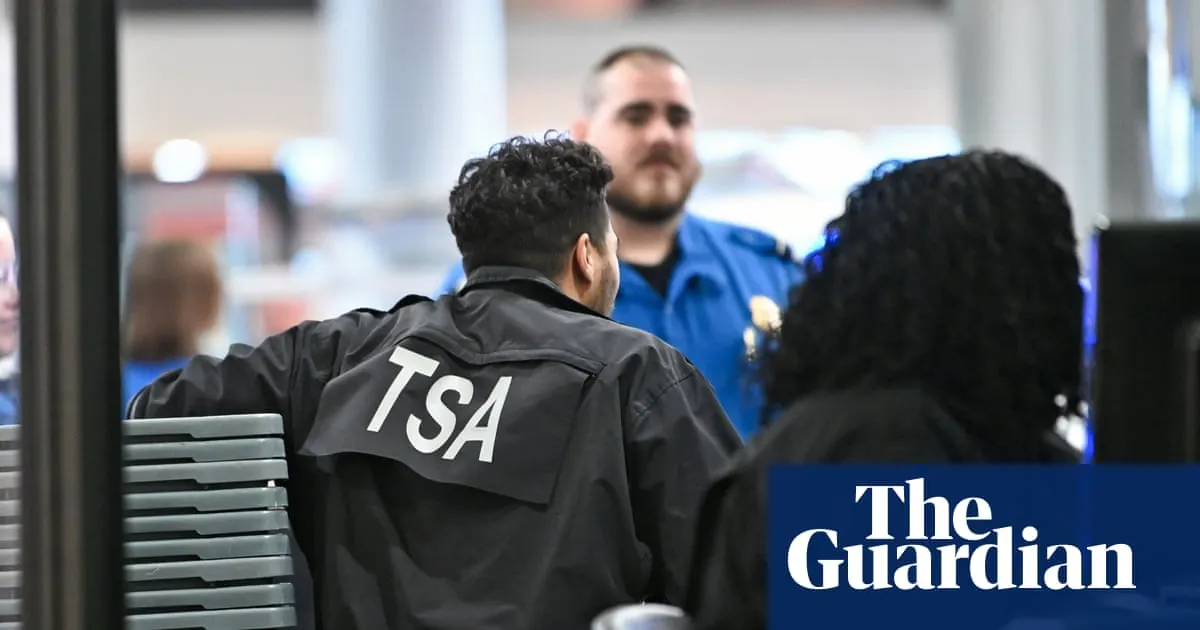
TSA has removed chairs from airport travel document checkpoints across the US, requiring officers to stand while screening passengers. The agency says standing reinforces professionalism, attentiveness and security, but union leaders argue the change was imposed without consultation and is worsening staff morale and working conditions.
The order took effect on 25 September; officers were given inadequate mats in place of chairs and also asked to sign a pledge supporting colleagues’ well-being and morale. AFGE, which represents TSA staff, has launched a letter-writing campaign calling for the chairs to be restored. Chairs remain at X-ray machines, whose manufacturers recommend that operators sit, and Customs and Border Protection says it has not adopted the policy.
- TSA removed chairs from document-check checkpoints.
- The union says staff were not consulted.
- AFGE is urging the public to call for chairs to return.
New here? Start with this
The Transport Security Administration (TSA) is the US federal agency responsible for screening passengers and baggage at airports. At document checkpoints, TSA officers verify that travellers have valid tickets and identification before they proceed to security screening. These checkpoints are the first point of contact between most passengers and airport security staff.
In September, the TSA removed chairs that officers previously sat on whilst checking documents, requiring them to stand for their entire shifts instead. The agency argues that standing improves professionalism, attentiveness and security, but the decision has sparked significant backlash from AFGE, the union that represents most TSA employees. Union officials say staff were not consulted about the change and argue it harms working conditions and morale.
The issue matters because TSA officers perform repetitive physical work at the front line of US airport security, and working conditions directly affect the quality of service passengers receive. The dispute also reflects broader tensions between federal agencies and unions over how decisions affecting workers should be made, and whether agency management has a responsibility to seek input from employee representatives before implementing significant operational changes.
Both sides, in good faith
The strongest fair case each way — we don't pick a winner.
The case for
The TSA's position reflects a reasonable operational judgment that standing officers maintain greater alertness and professionalism during document inspection, a critical security function. The agency distinguishes this from X-ray roles where equipment ergonomics mandate seating, suggesting it considers standing permissible where security procedures allow. This represents a legitimate management choice about executing security protocols effectively with available resources.
The case against
The union's objection rests on two substantial grounds: procedural fairness and substantive welfare. Imposing significant working-condition changes without consulting employee representatives violates reasonable labour relations principles and erodes management-staff trust. Requiring officers to stand throughout shifts creates legitimate physical and health concerns that could increase fatigue and turnover, potentially undermining the very attentiveness the policy aims to achieve, particularly given inadequate mat provision and the ironic simultaneous request for pledges supporting well-being.
Read the full article at the source →
Originally published by The Guardian as “‘People are pissed’: union decries TSA’s removal of chairs for checkpoint staff”.