British father says UK passport delay left daughter unable to visit grandparents
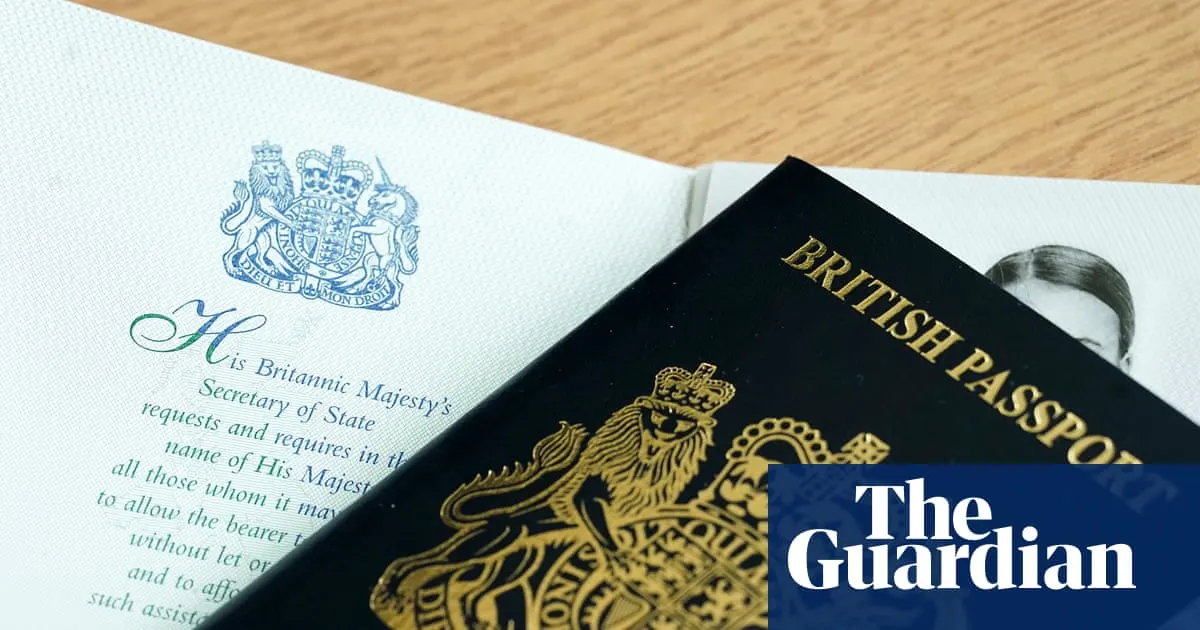
A British father living in France says new UK entry rules left his French-passport-holding daughter unable to visit her grandparents while her British passport application was delayed. The Home Office initially questioned whether he was her father and suggested a £600 DNA test, despite extensive documents and photographs; the application was later accepted.
The rules, introduced in February, require dual British nationals to travel to the UK on a British passport or pay £589 for a certificate of entitlement. The father said he feared his daughter could be denied boarding if she travelled on her French passport. Home Office guidance says applications should be assessed on the balance of probability if an applicant declines DNA testing, and refusals must be explained.
- A delayed passport application threatened a teenager’s visit to her grandparents.
- The Home Office suggested a £600 DNA test despite extensive evidence.
- Her application was eventually accepted without further paperwork.
New here? Start with this
In February, the UK introduced new entry rules for people who hold both a British passport and an EU passport. These rules require such people to enter the UK using their British passport, or to obtain a certificate of entitlement by paying £589 if they prefer to use their EU passport.
A British man living in France wanted his daughter to visit her grandparents in the UK, but her British passport application faced delays and she held only a French passport. The father feared the new rules would prevent her from boarding a flight to the UK, despite her being eligible for British citizenship.
The case illustrates challenges facing families with mixed British and continental European nationalities, particularly when passport applications face delays. It has also raised questions about the Home Office's handling of identity verification during the application process.
Both sides, in good faith
The strongest fair case each way — we don't pick a winner.
The case for
Border control requires rigorous identity verification, particularly for minors who may be vulnerable to trafficking or unauthorised removal. When standard documentation raises questions or appears inconsistent, DNA testing provides definitive confirmation and represents a proportionate security measure. The rules requiring British nationals to hold British passports when entering the UK protect immigration integrity and ensure proper record-keeping.
The case against
The father supplied extensive documents and photographs, yet the Home Office requested an expensive DNA test despite its own guidance that applications should be assessed on balance of probability without it. This imposes unnecessary financial and procedural burdens that prevent legitimate family contact. The dual national rules themselves create avoidable friction; the system should be more streamlined to balance genuine security needs with practical family access.
Read the full article at the source →
Originally published by The Guardian as “Father was asked for DNA test to get a passport for his daughter”.