Children are seen doing handstands and playing chicken with high speed trains – forcing busy level crossing to close
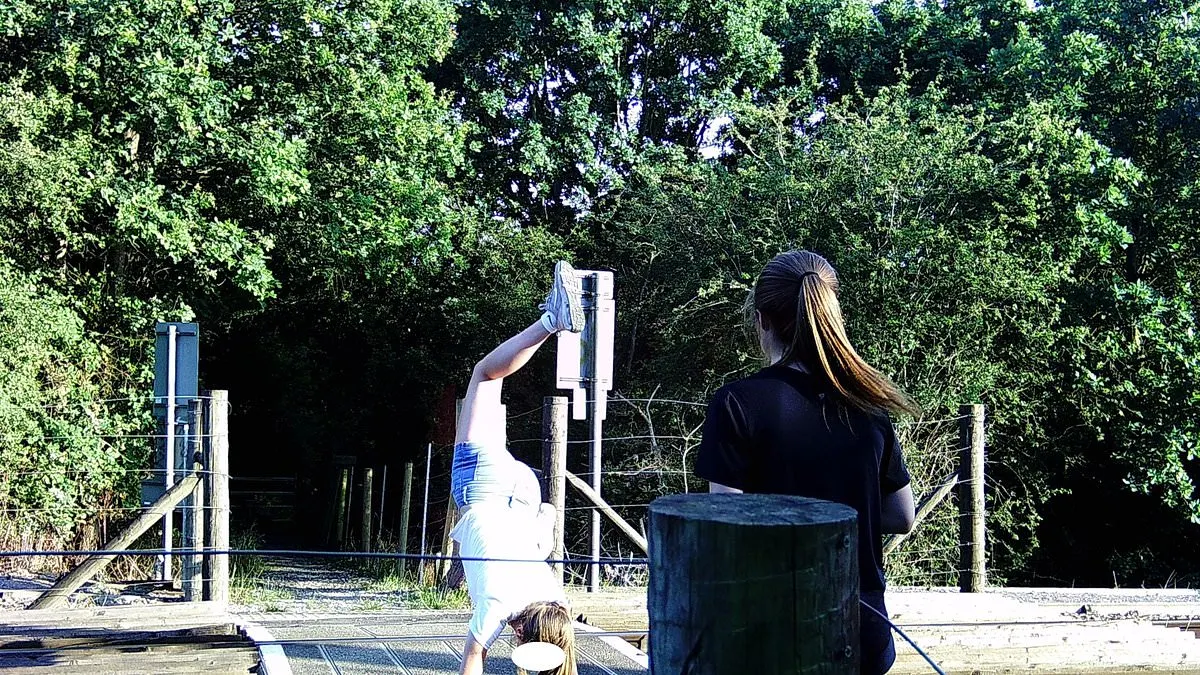
Children and teenagers have been photographed performing handstands, using phones and playing “chicken” with trains at Brickfields level crossing near Upminster, London. Network Rail has closed the crossing because of the risk of serious injury or death, and says the closure will continue until pupils at local schools have been taught about railway safety.
The crossing was first shut for 21 days from 30 September, but the closure has been extended while further safety measures are considered. About 230 trains use the line each day. The article also recalls the death of 11-year-old Jaiden Shehata, who was struck by a train at a level crossing near Kenley in January 2025; an inquest found he had been distracted by his smartphone.
- Brickfields crossing is closed after risky behaviour near trains.
- The closure will last until local pupils receive railway safety education.
- About 230 trains use the line each day.
New here? Start with this
A level crossing is where a railway line crosses a road at ground level, forcing trains and road users to share the same space. At Brickfields near London, children and teenagers have been photographed doing handstands, using phones and deliberately crossing in front of moving trains.
Network Rail, which manages Britain's railways, has closed the crossing because these actions pose an extreme risk of fatal injury and will only reopen it after safety education programmes are delivered to pupils at nearby schools. In early 2025, an 11-year-old boy was fatally struck by a train at another level crossing while distracted by his mobile phone.
Both sides, in good faith
The strongest fair case each way — we don't pick a winner.
The case for
The closure is justified as an emergency safety measure given the severity of documented behaviour at this crossing, where children perform handstands and play chicken with 230 daily trains. The tragic death of Jaiden Shehata demonstrates the real consequences of such recklessness. By temporarily closing the crossing whilst schools implement safety education, Network Rail eliminates immediate danger whilst compelling serious engagement with the underlying problem of unsafe behaviour among young people.
The case against
Rather than closure, targeted infrastructure investment—better barriers, signage, enforcement, and education—would create a sustainable solution allowing the crossing to remain open whilst keeping it genuinely safe. Closure is a blunt response that significantly disrupts hundreds of daily commuters and doesn't address why children engage in reckless behaviour. A more constructive approach would teach young people to navigate risks responsibly, rather than teaching them to simply avoid certain locations.