Russia’s offensive ability is broken, Kyiv’s former top general tells BBC
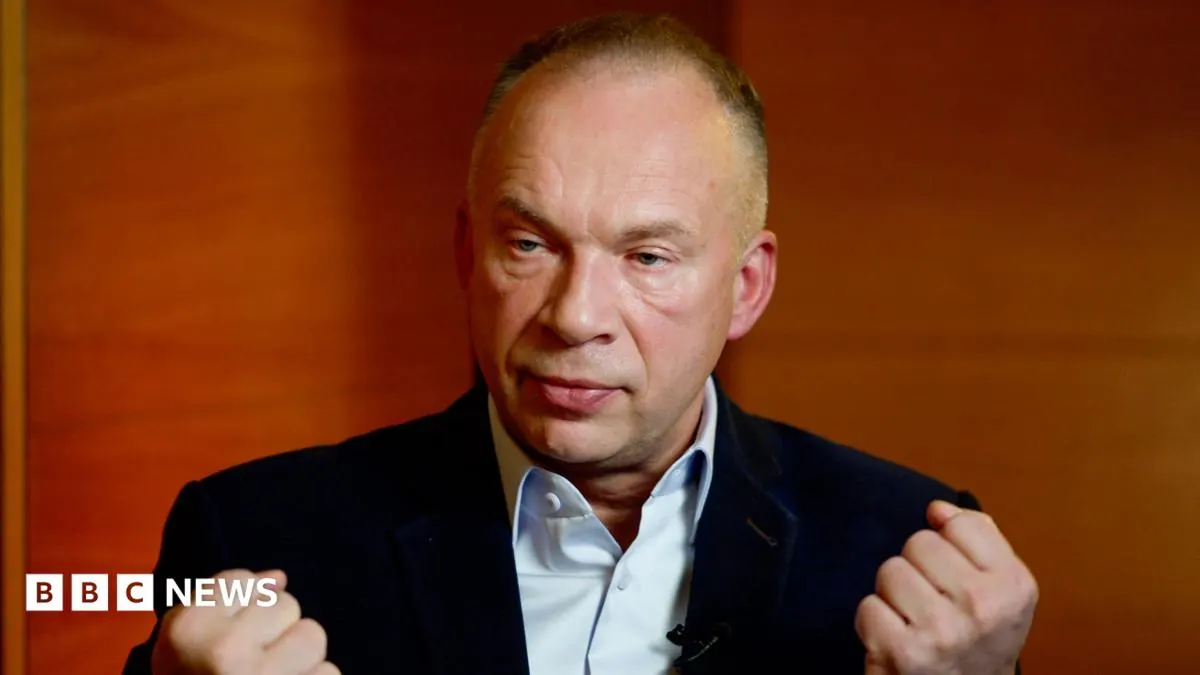
Ukraine’s former commander-in-chief, Gen Oleksandr Syrskyi, says the country has stabilised the front and broken Russia’s ability to advance, citing heavy Russian losses. His remarks are significant because they offer his assessment of the battlefield after he was dismissed amid disagreements over military strategy and supplies.
Syrskyi claimed Russian losses were six times Ukraine’s, or up to 11 times when counting deaths alone, though neither country publishes official death tolls and the figures cannot be verified. He said Russia gained just 61 sq km in the first half of 2026, and argued that drones, attacks on weak points and containing Russian advances had helped produce a stalemate. He also said Ukraine’s forces lacked some equipment and received only half the drones they needed.
- Syrskyi says Ukraine has halted Russia’s advances.
- He claims Russian losses are far higher.
- He cites supply gaps and drones as key factors.
New here? Start with this
Russia and Ukraine have been at war since Russia's invasion in 2022. The fighting has been intense and costly for both sides, with Russia attempting to capture and hold Ukrainian territory whilst Ukraine defends its land.
General Oleksandr Syrskyi was Ukraine's top military commander, directly overseeing the country's defence and military strategy. He was recently removed from this position following disagreements with other officials over military planning and supplies.
Syrskyi's assessment carries weight because as the former commander he had direct knowledge of the battlefield and Ukraine's forces. His comments are also notable given the circumstances of his dismissal, which suggests his views on how the war should proceed may have differed from those now making military decisions.
Both sides, in good faith
The strongest fair case each way — we don't pick a winner.
The case for
A commander with intimate knowledge of Ukrainian forces argues that relentless Russian losses at an unsustainable rate—potentially six times Ukraine's—have degraded Russia's capacity for large-scale offensive operations. The striking slowdown in territorial gains to just 61 square kilometres in six months, compared to earlier phases of the conflict, suggests Russia's attrition strategy has reached a breaking point where it can no longer achieve meaningful military objectives, even as it continues to suffer grievous losses.
The case against
Russia's ability to steadily gain territory, even at a reduced pace, demonstrates its offensive capacity remains intact rather than broken; gains that appear modest may obscure Russia's patient consolidation of control and preparation for future operations. Syrskyi, dismissed amid disputes over strategy, makes unverified casualty claims as an interested former official, whilst Russia's access to vast manpower reserves and mobilisation capacity means losses, however heavy, do not necessarily indicate a broken ability to sustain military operations or concentrate force where needed.