Two ships are hit in drone strikes off Bulgaria, including Ukrainian vessel – a week after similar attack
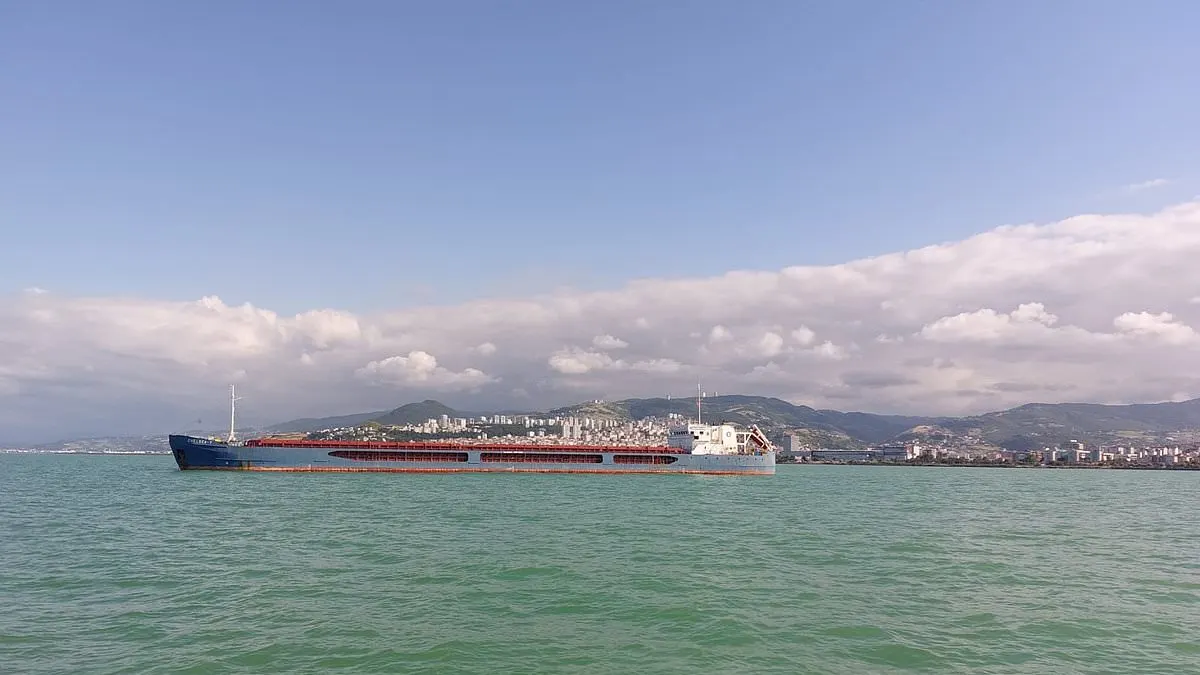
Two ships have been struck by drone attacks in the Black Sea off Bulgaria, marking a second major incident in a week. The Ukrainian-owned Chelsea 3 was damaged but its 15-person crew evacuated safely, whilst another vessel sank with only one crew member rescued. Bulgarian Prime Minister Rumen Radev condemned the strikes as "absolutely unacceptable" and summoned Russia's ambassador, though the country lacks conclusive evidence of who launched the attacks.
The Chelsea 3, flying a Maltese flag, was damaged some 18 nautical miles east of Byala around 1:30am local time; its crew members (seven Ukrainian, eight Azerbaijani) were taken to Varna port, five receiving medical care but none seriously injured. The attack mirrors an incident on 6 October, when the cargo ship Alfa Watan sank 70 miles south of Byala with crew unaccounted for, and the grain vessel Able was rescued with all 18 crew members (11 Turkish, seven Indian) aboard, two injured. Ukraine's Foreign Minister directly blamed Russia and warned the attacks weaponise hunger and threaten global food security, whilst the EU called for accountability.
- Ships attacked twice in a week off Bulgaria amid Russia-Ukraine conflict escalation.
- Ukraine blames Russia of weaponising hunger through Black Sea attacks.
- Most crews rescued but Alfa Watan crew remains missing after October 6 sinking.
New here? Start with this
The Black Sea is a vital shipping route through which grain, fertiliser and other goods from Ukraine and neighbouring regions are exported to feed millions of people worldwide. Since Russia invaded Ukraine in 2022, this sea has become a zone of military conflict, with shipping repeatedly targeted and global food supplies threatened.
The Russia-Ukraine war has extended to the sea routes and supplies leaving Ukrainian ports. Ukraine accuses Russia of deliberately attacking merchant vessels carrying civilian goods, whilst Russia disputes this, claiming it targets military-related cargo.
Merchant ships crossing the Black Sea are caught in the crossfire between Russian and Ukrainian forces, putting civilian crews and international supply chains at risk. The disruption to grain exports from the region affects food prices and availability across Europe, the Middle East, Africa and Asia, making this a concern far beyond the conflict zone itself.
Both sides, in good faith
The strongest fair case each way — we don't pick a winner.
The case for
Russia possesses the demonstrated capability, clear motive, and established pattern of attacking civilian shipping to disrupt food supplies and pressure Ukraine. These strikes align with Russia's broader campaign of targeting infrastructure and commerce, and attribution based on compelling circumstantial evidence is justified. Demanding absolute forensic certainty before holding a major power accountable would allow continued aggression to proceed with impunity.
The case against
Bulgaria, as the directly affected coastal state, explicitly states there is insufficient conclusive evidence for attribution. Assigning responsibility to a nuclear power without definitive proof risks dangerous escalation and violates international norms of due process. Other regional actors possess relevant military capabilities, and premature attribution could harden positions and worsen the conflict. A measured approach that gathers complete evidence before formal accusations is both more prudent and more likely to achieve actual accountability.