The Badenoch bounce! Tories leapfrog Reform after Kemi’s conference tax vow – and move within a point of Labour
Developing story first seen 1 hour ago
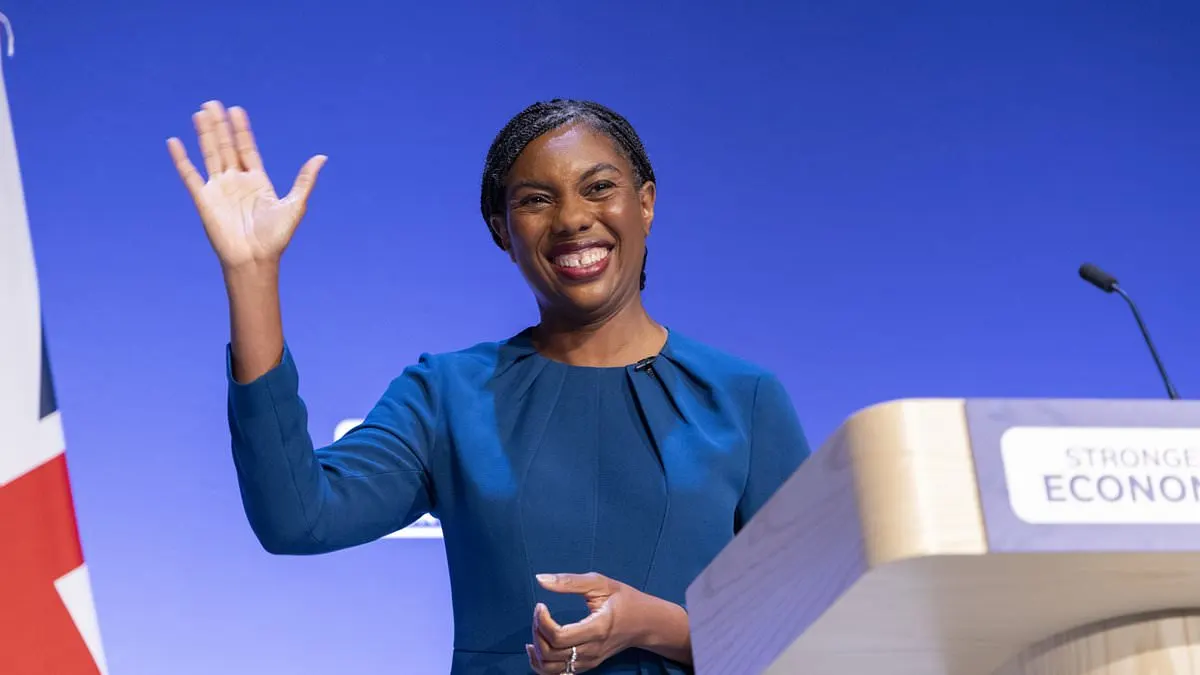
YouGov’s latest poll puts the Conservatives ahead of Reform UK for the first time since 2024, after a three-point rise following Kemi Badenoch’s conference speech. Labour also fell three points, leaving the Tories one point behind, though pollsters cautioned that weekly changes may be within the margin of error.
The Conservatives reached 23 per cent, compared with Labour on 24 per cent and Reform on 21 per cent. Badenoch pledged to exempt family homes from inheritance tax and give couples a £1 million allowance, with the estimated £6 billion cost funded by welfare cuts; she has also promised to scrap stamp duty and Labour’s proposed mansion tax. The poll’s figures would point towards a hung Parliament, while a separate Opinium poll also suggested a Conservative boost.
- Conservatives rose to 23 per cent in YouGov’s latest poll.
- Reform fell to third, on 21 per cent.
- Pollsters warn the weekly shifts may be within the margin of error.
New here? Start with this
Britain is currently shaped by a three-way contest between Labour, the Conservatives and Reform UK, with the newer Reform party taking significant support from traditional Conservative voters. This political configuration has made polling particularly important for understanding the direction of British politics.
Kemi Badenoch leads the Conservative Party after recent internal changes. The party has been announcing major policy proposals, including changes to inheritance tax and welfare, as part of a strategy to attract voters back to the Conservatives.
The specific distribution of support between these three parties matters significantly because it determines how many Parliament seats each might win and whether any single party could govern alone. With the polling closely divided, the next government could require different parties negotiating to work together.
Both sides, in good faith
The strongest fair case each way — we don't pick a winner.
The case for
The inheritance tax proposal tackles a genuine grievance among families and property owners who feel penalised for building wealth and wanting to benefit their children. The policy reflects the Conservative principle that individuals should retain autonomy over earned assets rather than ceding them to state taxation. The polling improvement demonstrates that voters are responding positively to Badenoch's tax-cutting message, suggesting the party is regaining momentum after recent decline.
The case against
The inheritance tax cuts disproportionately benefit the wealthiest whilst being funded through welfare reductions that harm the most vulnerable. This reveals a concerning prioritisation of protecting inherited wealth over supporting those dependent on state provision. The polling bounce should be treated cautiously given it falls within the margin of error, and the focus on tax breaks for the already-privileged obscures genuine economic challenges facing working families and urgent needs for fairer resource distribution.
Full account
Kemi Badenoch's Conservative Party has moved ahead of Reform UK in voting intention polling for the first time since earlier in 2024, marking a significant shift in the competitive landscape following the party's conference in Birmingham. According to YouGov polling, the Tories have registered a three-percentage-point increase to 23 per cent, sufficient to place them in second position ahead of Nigel Farage's party, which has slipped to 21 per cent. Labour continues to hold a narrow lead on 24 per cent, though the party has experienced a corresponding decline of three percentage points from its previous standing, a retreat some analysts attribute to the diminishing impact of Andy Burnham's appointment as leader. The movement represents a notable turnaround after months of polling dominance by Reform UK, which had maintained a leading position following the summer's local and devolved elections.
The Conservative leader's keynote conference address featured an ambitious taxation pledge designed to cement the party's positioning as champions of home ownership and wealth accumulation. Badenoch announced the elimination of inheritance tax on family homes, a move that would prevent such obligations arising when properties pass between generations. In addition, the policy would permit couples to transfer £1 million to their heirs without incurring inheritance tax charges, a provision applying above and beyond the value of their primary residence. The Conservative leader estimated that roughly half of all families currently liable for inheritance tax would be removed from the tax base entirely. She justified the estimated £6 billion cost through proposed reductions to welfare expenditure, framing the policy as recognition that those who accumulate wealth through diligent labour deserve to retain and transmit the fruits of their endeavour.
Reform UK's descent into third place reflects a longer trajectory of declining electoral support, underpinned by a combination of party turbulence and the diminishing personal appeal of its leadership. Whilst Reform achieved notable success in May's local and devolved elections, the intervening months have witnessed mounting difficulties, including sustained questions surrounding donations to Farage and other party figures, alongside competition from Rupert Lowe's Restore Britain movement. Most significantly for Reform's electoral prospects, Farage's personal approval ratings have deteriorated substantially, reaching historic lows in YouGov's decade-long tracking operation. Current polling shows that nearly seven in ten Britons regard the Reform leader unfavourably, whilst only 24 per cent hold positive views. His net approval rating has fallen dramatically to -45, matching Sir Keir Starmer's approval figure at the moment of his resignation from office, representing a marked decline from the comparatively more favourable -31 rating achieved a year earlier.
The polling movement, whilst providing relief to Conservative strategists previously concerned that improvements in Badenoch's personal ratings were failing to generate wider party momentum, has also cooled Westminster speculation regarding an imminent general election. The YouGov figures suggest that an immediate ballot would result in a hung Parliament, rendering the eventual composition of government extraordinarily difficult to forecast. Senior Conservative aides had reportedly maintained heightened readiness during Labour's recent conference in anticipation that Burnham might call an early election, and the party had conducted extensive election preparation including drafting campaign plans and itineraries. However, pollsters cautioned that week-to-week polling fluctuations typically remain within margins of error, making it difficult to distinguish genuine shifts in public sentiment from normal statistical variation. Separate polling conducted by Opinium provided similar evidence of a Conservative bounce, lending credence to the apparent movement.
Where outlets differ
Source 1 emphasises snap election timing speculation and hung parliament implications; Source 2 focuses instead on explaining Reform's structural decline and Farage's personal unpopularity
Source 1 references Opinium polling supporting the Conservative bounce; Source 2 does not mention this
Source 2 extensively details Reform's specific troubles including donations scandal and Restore Britain competition, and provides Farage's approval metrics; Source 1 does not include these details