Legendary FPS level designer Richard “Levelord” Gray dies at 68
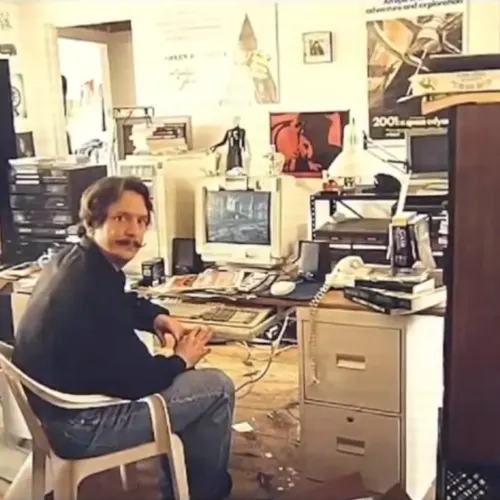
Richard “Levelord” Gray, a prolific first-person shooter level designer, has died at 68. His work helped make games such as Duke Nukem 3D memorable for their distinctive, recognisable settings, and colleagues say his levels and influence will endure.
Gray entered the games industry in 1994, aged 35, with GrayDoom, a set of four maps for Doom. He later designed levels for Blood and Duke Nukem 3D, including its hidden “You’re Not Supposed to Be Here” easter egg, and worked on games such as SiN, Quake: The Offering and Half-Life: Opposing Force. Former colleague Joe Siegler said Gray had dealt with cancer intermittently; tributes praised his creativity, kindness and sense of place in game design.
- Level designer Richard “Levelord” Gray has died aged 68.
- He designed levels for Duke Nukem 3D, Blood and other shooters.
- Colleagues remembered his creativity and distinctive sense of place.
New here? Start with this
First-person shooters are games viewed through the eyes of the player, who moves through a world and often fights opponents. Their levels are the spaces players explore, and their layout, atmosphere and landmarks can make a game’s world distinctive and memorable.
Richard Gray, known as Levelord, began designing levels professionally in 1994, after making maps for Doom. He went on to work on well-known shooters including Duke Nukem 3D, Blood and Half-Life: Opposing Force, creating settings and hidden details that players could discover.
Level designers help shape how a game feels to play and how its world is remembered. Gray’s work is part of the history of 1990s shooters, and his influence is reflected in the tributes from people who worked with him.