‘Raise hell, praise Dale’ Earnhardt speeding ticket excuse unites Americans
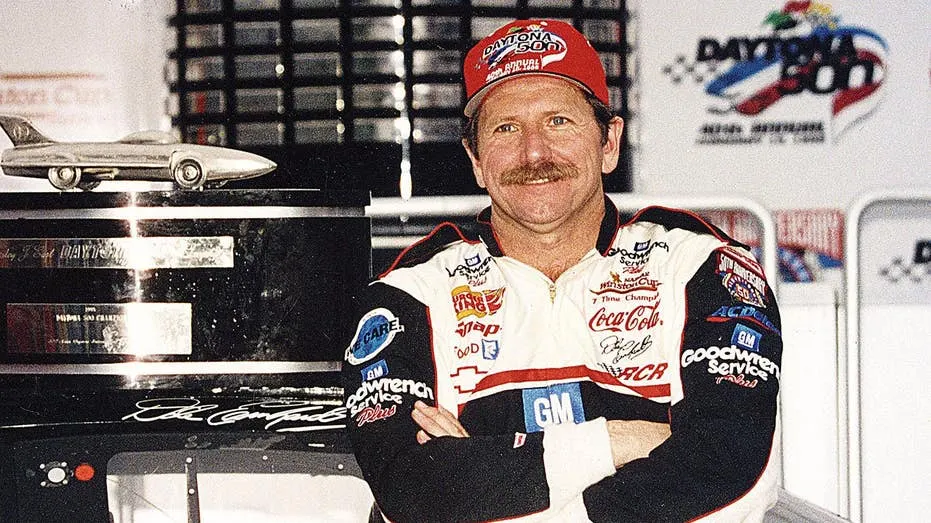
Greensboro police joked on social media that “Raise hell, Praise Dale” was not a suitable explanation for speeding, prompting a wave of responses from NASCAR fans who defended the late Dale Earnhardt. The exchange drew in Earnhardt’s son, Dale Jr, and NASCAR itself, turning a traffic joke into a debate about the sport’s history and its fans’ attachment to its roots.
NASCAR replied, “Leave the speeding for the race track”, but some fans criticised the message as out of step with the sport’s bootlegging origins, when drivers evaded police while transporting illegal alcohol. The article gives no details about the speeding driver or ticket; it focuses on the online reaction and Earnhardt’s enduring appeal.
- Police joked about a speeding excuse invoking Dale Earnhardt.
- Dale Jr and NASCAR joined the online exchange.
- Fans cited NASCAR’s bootlegging roots in their criticism.
New here? Start with this
NASCAR is a major American stock-car racing series, known for high-speed races on oval tracks and a strong following in the south-eastern United States. Dale Earnhardt, nicknamed “The Intimidator”, was one of its most famous drivers, winning seven championships before he died in a crash at the 2001 Daytona 500.
NASCAR’s early history is linked to drivers who used their car skills while transporting illegal alcohol during Prohibition. That past remains part of the sport’s identity for some fans, while modern NASCAR is a professional racing organisation. The reaction to the police joke drew on both Earnhardt’s lasting popularity and differing views of how the sport should remember its roots.
Both sides, in good faith
The strongest fair case each way — we don't pick a winner.
The case for
NASCAR’s message supports a clear distinction between racing and public roads: speeding can endanger people who have not chosen to take part, while a race track provides a controlled setting for competition. The reply also lets the sport join the joke without endorsing unsafe driving, even as it acknowledges Earnhardt’s place in NASCAR culture.
The case against
Some fans see the reply as smoothing over the unruly history that helped shape NASCAR, including drivers who built reputations by evading police while hauling illegal alcohol. From that perspective, the joke drew on a rebellious tradition, and a safety-minded response that separates racing from the road can feel detached from the sport’s roots and the appeal Earnhardt embodied.