Nearly two million foreign nationals receive benefits or pensions in Britain
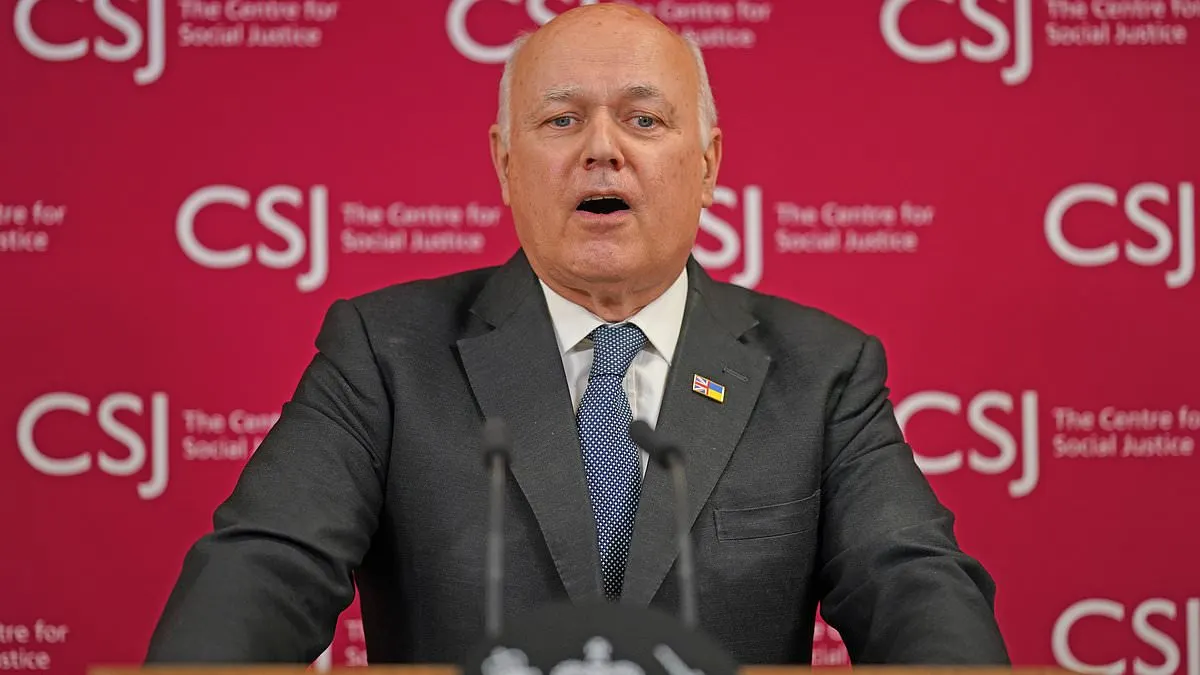
Analysis by the Centre for Social Justice says nearly two million foreign nationals in Britain receive benefits or the state pension, with the associated support costing taxpayers £23 billion last year. The figures have renewed debate about immigration, welfare eligibility and public spending.
The analysis counts 1.3 million non-British citizens receiving Universal Credit, including 745,000 Europeans who remained after Brexit, as well as 200,000 claiming sickness benefits and about 400,000 receiving the state pension. The CSJ forecasts the annual cost will reach £27 billion by the end of the decade and says migrants can qualify for benefits after gaining permanent settlement. The article also reports criticism from politicians and notes Home Secretary Shabana Mahmood has proposed doubling the wait for Indefinite Leave to Remain, though her plans may be scaled back.
- Nearly two million foreign nationals receive benefits or the state pension.
- The support cost £23 billion last year.
- The bill is forecast to reach £27 billion by decade’s end.
New here? Start with this
Britain’s welfare system includes means-tested benefits such as Universal Credit, which helps people on low incomes, and payments for people unable to work because of illness. The state pension is paid to people who have reached pension age and meet qualifying rules, which include having paid or received credits for enough years of National Insurance.
A person’s eligibility depends on their immigration status and circumstances. Some people who move to Britain can access certain support under specific rules; those with Indefinite Leave to Remain have permanent permission to live in the country and can generally claim benefits if they meet the usual conditions. European citizens who stayed in Britain after Brexit may have rights under the settlement scheme.
The Centre for Social Justice is a think tank that analyses social policy and public spending. Its figures have prompted discussion about how welfare eligibility interacts with immigration rules, how much public support costs, and what changes to settlement requirements could mean for people seeking to make Britain their permanent home.
Both sides, in good faith
The strongest fair case each way — we don't pick a winner.
The case for
Supporters of tighter eligibility argue that a rapidly rising welfare bill places pressure on taxpayers and public services, and that people seeking permanent settlement should meet clearer contribution and residency requirements before qualifying for support. They may see longer waits for settlement as a way to maintain public confidence in both immigration and the welfare system, while preserving assistance for those who have earned eligibility.
The case against
Critics argue that many foreign nationals work, pay taxes and contribute to communities, and that access to support should reflect need and contributions rather than nationality alone. They may also stress that sickness benefits and pensions often protect people who cannot readily support themselves, and that restricting eligibility could deepen hardship, weaken social cohesion and leave settled residents with less security.
Read the full article at the source →
Originally published by Daily Mail as “Almost 2million foreign nationals now get benefits or the state pension in Britain”.