Andy Burnham has vowed to end rough sleeping…but those on the streets say the Prime Minister is in ‘dreamland’
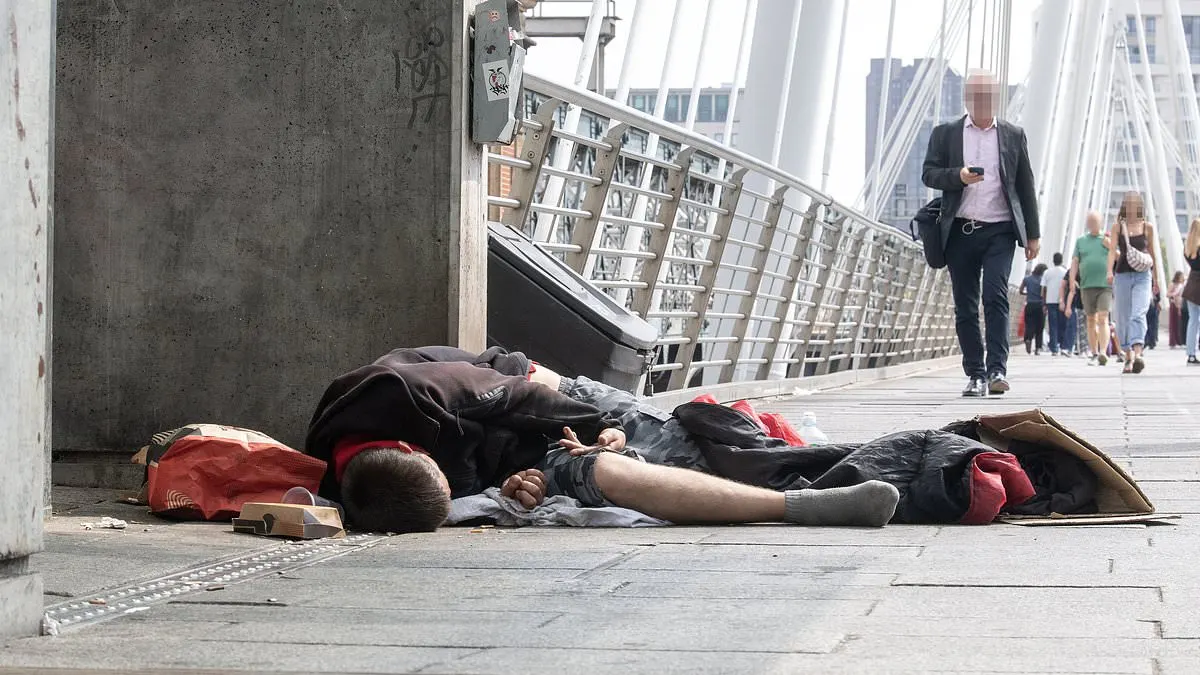
Andy Burnham has pledged to end rough sleeping, with Housing Secretary Angela Rayner saying everyone sleeping rough would be offered accommodation by Christmas. The promise is ambitious, and people interviewed on the streets doubt that the proposed help will suit their needs or be affordable.
Burnham has committed £442 million over three years, including £102 million for medical care, addiction support and emergency accommodation. Rough sleepers cited disruptive shared housing, concerns about living alongside people with addictions, and costs such as council tax and electricity; one man said his benefits left him only £170 a month after expenses when he was housed.
- Burnham pledges to end rough sleeping.
- £442 million is allocated over three years.
- Rough sleepers question whether available housing will work for them.
Both sides, in good faith
The strongest fair case each way — we don't pick a winner.
The case for
A firm commitment to offer accommodation, backed by £442 million for housing, medical care and addiction support, could help people move off the streets and address problems that make rough sleeping persist. Even if the pledge is ambitious, setting a clear deadline may focus government effort and make agencies more accountable for providing support.
The case against
An offer of accommodation does not necessarily provide a safe, suitable or affordable home: shared settings may feel disruptive, and living alongside people with addiction problems can be difficult. If rent and bills leave people with too little to live on, or the available support does not match their needs, the pledge may not lead to sustained exits from rough sleeping.