What kind of cooling system do EV batteries use and how does it work?
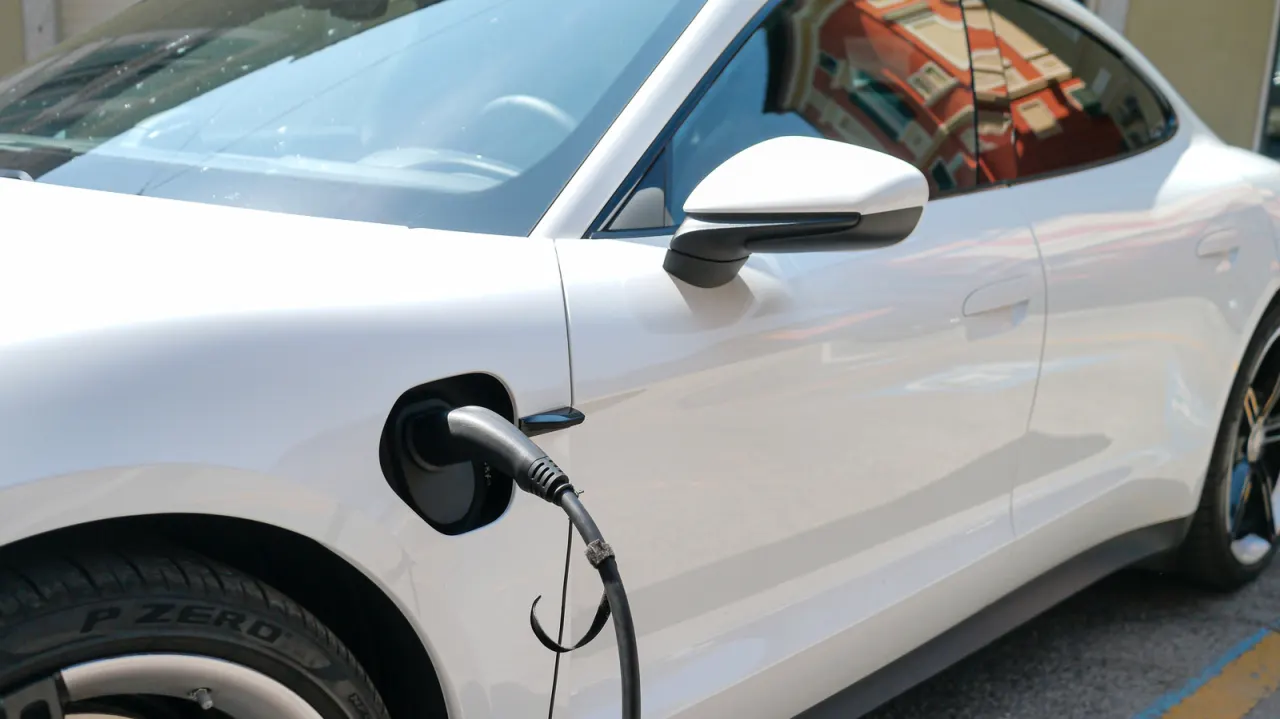
Most modern electric vehicles use thermal management systems to keep their batteries within a suitable temperature range. This matters because heat can speed up battery ageing, while cold can reduce range and slow charging; warming the battery before a rapid charge can help it accept power more quickly.
Most EVs circulate liquid coolant through tubes or plates beside the cells, then send heat to a radiator or the air-conditioning system. A study of more than 22,700 vehicles found average battery health fell by 2.3 per cent a year, with faster losses in hot climates and among frequent rapid chargers. Other designs include air cooling, refrigerant systems and, in the McLaren Speedtail, cells immersed in insulated oil. In freezing conditions, a separate study of more than 30,000 US EVs found batteries delivered an average of 78 per cent of their ideal range.
In short
- Liquid coolant is the most common way to regulate EV battery temperature.
- Heat can accelerate battery ageing; cold can limit range and charging speed.
- Preconditioning warms batteries before rapid charging.