‘Long Day’s Journey Into Night’ movie review: an underwhelming production brought to life by all-time performances
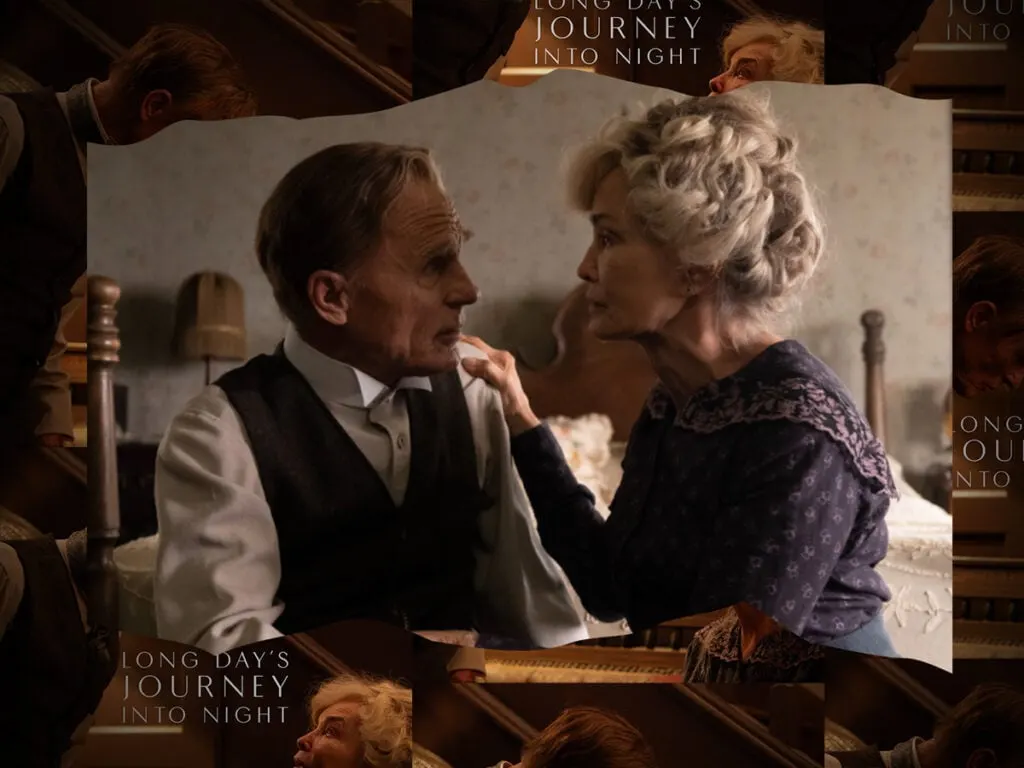
Jonathan Kent’s adaptation of Eugene O’Neill’s *Long Day’s Journey Into Night* offers little to distinguish it from earlier screen versions, with a faithful script and subdued production. Its main appeal is the cast, whose performances bring the family drama’s themes of regret, ageing and disappointed hopes to life.
Jessica Lange gives a standout performance as Mary Tyrone, matched by Ed Harris’s sympathetic, affecting portrayal of James. Ben Foster is a welcome surprise as Jamie, while Colin Morgan’s Edmund feels less natural in the dialogue; the review finds the film’s restrained style leaves its actors and the play’s writing in focus.
In short
- The adaptation stays close to O’Neill’s play.
- Jessica Lange’s Mary Tyrone is the standout performance.
- Ed Harris and Ben Foster also impress.
Steelman: both sides, in good faith
The strongest fair case each way — we don't pick a winner.
The case for
The production’s restraint can be seen as a strength: by keeping the adaptation faithful and visually subdued, it lets O’Neill’s writing and the actors carry the family drama. Jessica Lange, Ed Harris and Ben Foster are praised for performances that make its themes of regret, ageing and disappointed hopes feel vivid.
The case against
That same restraint can leave the film feeling underwhelming and indistinct beside earlier screen versions, with little in its script or production to make this adaptation stand apart. The performances do not fully overcome that limitation, and Colin Morgan’s delivery is judged less natural in the dialogue.
Explained simply
Eugene O’Neill’s Long Day’s Journey Into Night is a play about the Tyrone family, who spend a day together at their summer home. The family’s conversations bring old grievances and private struggles to the surface, including Mary Tyrone’s morphine addiction and the effects of illness and drinking on those around her.
The play draws on O’Neill’s own family life and is known for its detailed, naturalistic dialogue. Its central figures are Mary, her actor husband James, and their sons Jamie and Edmund; the story explores regret, ageing and hopes that have not been fulfilled.
Jonathan Kent’s film is one of several screen adaptations of the play. Understanding its background helps explain why the performances and the actors’ handling of O’Neill’s dialogue are central to the production.